

How Technology and Robotics Are Becoming the New Weapons Against Wildfires
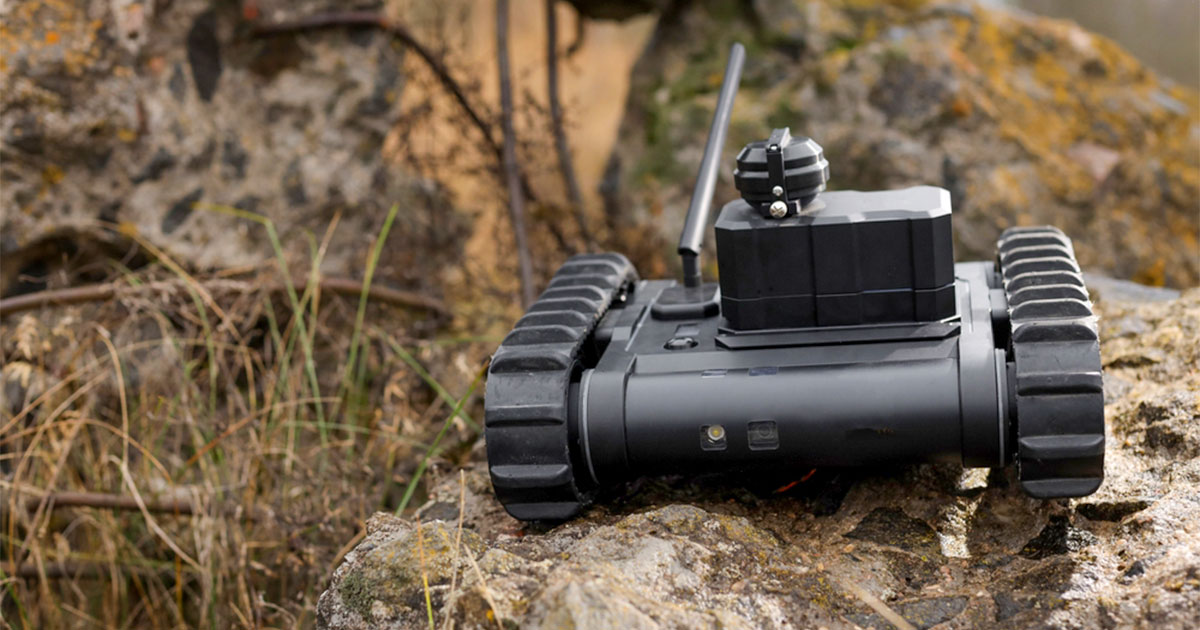

How have technology and robotics become a new weapon in the fight against forest fires?
Forest fires or bush fires are considered major, uncontrolled fires that have a devastating impact on humans and their environment. They can spread rapidly, change the direction of their spread, and expand their spread when heat waves intensify or seasonal temperatures rise in the summer.
With the expansion of the scope of such destructive fires, it was necessary to combat them with more efficient tools in monitoring, responding, and dealing with dangerous areas. Therefore, many concerned parties have employed robots, drones, artificial intelligence technologies, and modern sensor systems in fighting fires.Forests.
These smart tools perform early detection, detect ignition hotspots, monitor the spread of fires, provide field support to firefighting teams, then enhance control operations, reduce human and environmental losses, and other functions that combat forest fires.
Why have the dangers of forest fires increased?
Forest fires have become more frequent and severe in recent years; Due to rising temperatures, increased drought times, and changing weather patterns; This led to the expansion of the fires and the difficulty of containing them by traditional means.
Extreme climatic conditions also helped increase the amounts of dry, flammable plants. This increases the possibility of fire spreading quickly and multiplies the dangers facedFire brigades, especially in rugged areas or far from rapid response centres.
With the intensification of the weather phenomena associated with climate change, some fires have spread to wider areas and last longer times, which raises the indicators of losses to ecosystems, natural resources, infrastructure and local communities, and then efforts concerned with achieving the thirteenth goal of the Sustainable Development Goals (SDGs): climate action are affected.
The rapid change in wind directions and rising temperatures also make it difficult to predict the path of fires, which poses additional challenges for fire brigades and requires relying on more advanced technologies. To enhance the speed of response and improve the ability to contain fires before they get out of control; Therefore, we need a method of combat that relies on technology and real-time data.

How does technology detect forest fires early?
Modern early warning systems are based on an integrated network of drones, fixed sensors and satellites, in addition to artificial intelligence models capable of collecting data and analyzing it in real time, which allows for rapid adjustments to response plans no matter how weather conditions change, while reducing the time and effort required to carry out field and logistical tasks.
For example, thermal cameras help monitor ignition hotspots – even in the presence of smoke or during the night – and identify areas that continue to maintain high temperatures or where another fire is expected to ignite. This is when devices monitorSensing changes in temperature, humidity rates, and wind speed within areas at risk of fire.
Artificial intelligence models also integrate data from aircraft, satellites and ground stations; In order to prepare an objective assessment of potential dangers and predict the path of fire spread, allowing early warnings to be sent and response teams to be directed to the most vulnerable areas before fires turn into large-scale disasters.
There are also robots that work to remove dry plants and create protective corridors that limit the spread of fire, in addition to robots that are able to transport water and foam (an insulating material to extinguish fires) to dangerous areas that are difficult for fire brigades to reach.
On the other hand, some smart systems contribute to supporting the evacuation of casualties or…This allows firefighters to focus on fire control work and building containment lines.

The most prominent challenges
Despite the rapid development of these technologies, their use faces a number of challenges, the most prominent of which are:
- The effect of high temperature, smoke and ash on the efficiency of sensors and electronic components.
- Poor communications in mountainous or remote areas; Which may affect data exchange and remote control.
- Difficulty moving between rugged terrain and forests with tangled tree cover.
- LimitedBattery life, especially during fires that require constant monitoring.
What does the future look like?
From here, researchers are moving to develop a new generation of robots, a generation that has higher levels of independence and the ability to work together, allowing the tasks of a larger number of robots and drones to be coordinated at the same time.
Work is also underway to develop unified standards that ensure integration between different systems and enhance their ability to exchange data. It is expected that these developments will contribute to reducing costs, improving the speed of response, and reducing the risks to which firefighters are exposed. All of this is within the indicators of the eleventh goal: sustainable cities and local communities.
In conclusion, forest fires are a field challenge faced by menFirefighting is a complex environmental and climate crisis that requires a radical shift in its management methods. Because with the increase in the frequency of extreme climate events and the expansion of the scope of fires, we have become in dire need of early prediction, analysis of real-time data, and making accurate decisions.
This is what robots, drones, and artificial intelligence technologies can provide. That is why The Earth Guards Foundation confirms that investing in smart technologies is one of the ways to combat climate change and the best way to combat its negative effects, the most prominent of which are forest fires.


