

Critical minerals face rising risks as mining projects ignore local communities
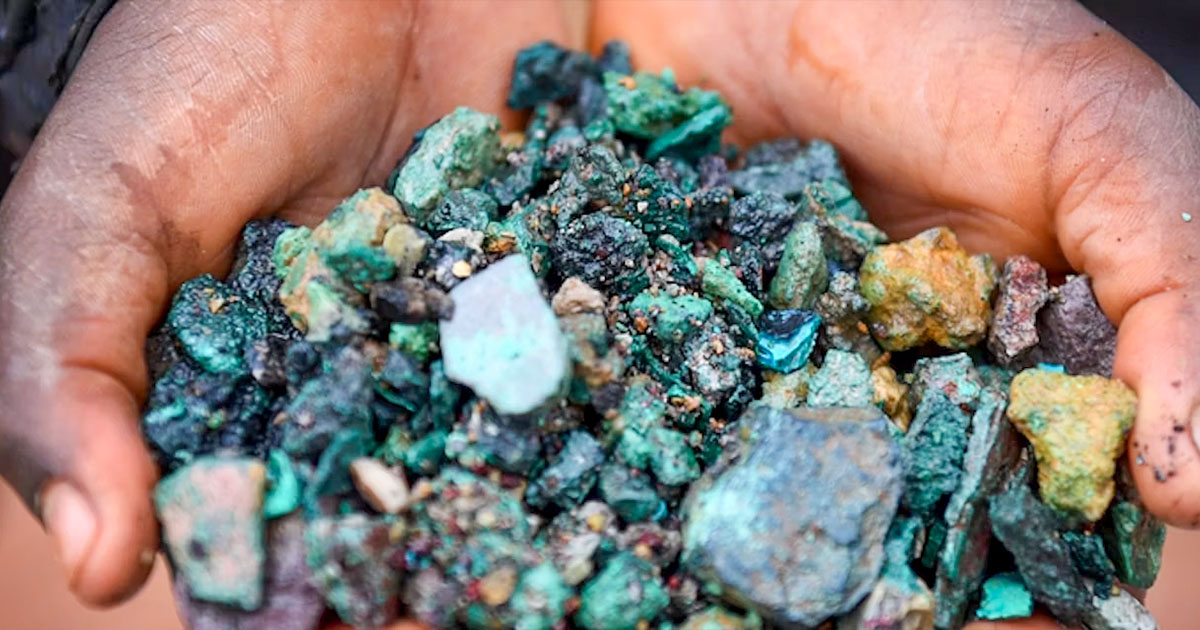

Vital minerals face increasing risks as local communities are ignored in mining projects
In recent years, the world’s interest in what are called vital minerals (rare earth minerals and elements) has increased, which has made rich countries turn their attention towards the continent of Africa, which is rich in these rare minerals, such as lithium and cobalt, and other basic components used in batteries and low-carbon technologies.
However, this transformation is often limited to purely economic and geopolitical dimensions, with complete neglect of the role of local communities. This raises a very important issue, which is the issue of the connection of vital minerals with the dimensions of sustainable development, especially those related to social justice.
The importance of vital minerals
There is no doubt that biometals have a pivotal role in supporting the transition towards clean energy. Industries based on this type of energy depend on it, in light of the global debates related to fossil fuels and ways to get rid of them. This means that minerals – specifically vital minerals – are an essential element in building more efficient and less emitting energy systems.
Then, the concentration of production of these minerals in a limited number of countries gives it a strategic dimension that is becoming more and more important day after day. Supply chains have become vulnerable to political and economic fluctuations, which leads to escalating competition between countries and companies in order to secure access to them. Hence, its value in international economic policies increases, and makes it one of the engines of modern geopolitical balances.
In addition to their role in efforts to transition to clean energy, the impact of vital minerals extends to the stability of technological industries and global production chains. That is, the method of securing its supplies is directly linked to economic growth and sustainable development.

What does traditional analysis ignore?
Traditional analysis when dealing with vital mineral supply chains focuses on three main parties:
- Companies
- Producing Countries
- Geopolitical balances
This is a perception that, in one way or another, ignores the local communities, those communities that live in mining areas.and extraction; Because the absence of participation of these communities in decision-making, or their lack of effective involvement in resource management; It may lead to early tensions that affect the stability of projects, and reflects a lack of understanding of the nature of the risks facing supply chains.
Ghana as a model: local pressures and governance challenges
Ghana is a clear example of these challenges, where the emerging lithium sector, for example, is seeing increasing pressure on local communities. As resources were discovered, social and economic impacts related to land use and livelihoods began to emerge.
Weak transparency and delayed regulatory frameworks also contribute – in addition to limited community participation – to creating a state of mistrust between local residents and companies. All of this causes escalation of tensions and threatens the continuity of projects.
This is because such negative factors impose adverse consequences, such as the possibility of protests and conflicts occurring, causing projects to be disrupted or delayed, and operational costs to rise. The desired economic feasibility of these projects will be affected.
Why are communities crucial?
We should realize here that the participation of local communities in mining projects or the involvement of residents in decisions related to the use of resources; It increases opportunities for building trust, reduces conflicts, creates a more stable investment environment, and contributes to sharing benefits fairly. There is a balance between economic growth and the protection of natural resources.
Then the participation of local communities in vital mineral projects achieves many Sustainable Development Goals (SDGs), especially those related to reducing poverty,Promote decent work, protect the environment, and at the same time maintain the stable flow of vital minerals sustainably.

Balanced risk management
Managing risks in critical mineral supply chains requires adopting a more comprehensive approach, one that goes beyond traditional considerations and looks carefully at the social dimensions that benefit local communities. We must also work to develop clear and stable governance frameworks; In order for these frameworks to contribute to reducing tensions, enhancing project sustainability, and achieving a balance between market requirements and the rights of communities around the world.
In conclusion, these developments reveal that securing the supply of vital minerals is relevant to local communities; Because the success of the energy transitionClean supplies require stability of supplies without prejudice to the rights of communities, which is why The Earth Guards Foundation finds integrating local communities into the decision-making process in mining projects a sustainable form of strengthening the vital minerals sector, and a path to building more stable supply chains.


