

US-Africa Healthcare Funding Partnerships Spark Sovereignty and Equity Concerns

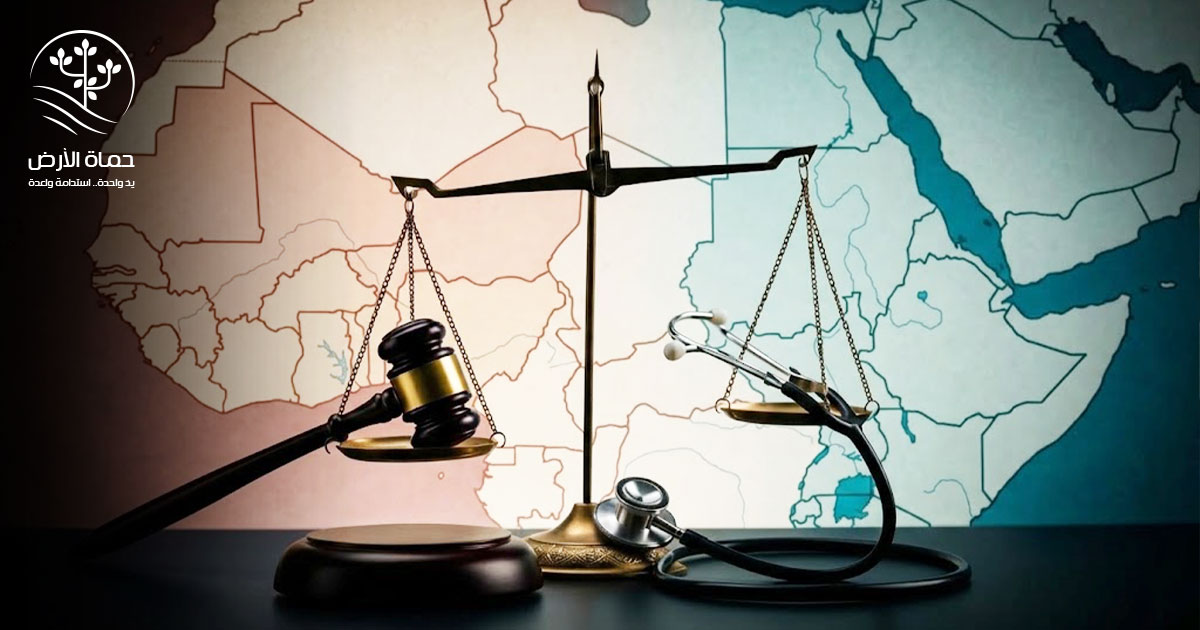

African-American Health Care Financing Partnerships with Sovereignty and Equity Concerns
The African continent is witnessing an increasing trend towards signing new agreements in the field of financinghealth care with the United States, in a step aimed at supporting health systems and enhancing the ability to confront diseases. With investments amounting to 19.8 billion US dollars, these agreements appear on the surface to be an opportunity to strengthen health services, but at the same time they raise increasing questions about the nature of the conditions accompanying them and their impact on the independence of states.
In this context, health care financing has become a tool to support the sustainability of medical services, as well as a broader equation in which economic and political considerations intersect, which opens the door to a deeper discussion about the limits of international cooperation in the sector.Health.
The nature of health care financing agreements
These agreements include financial support directed at developing prevention and treatment services, especially in the areas of infectious diseases such as HIV, malaria, and tuberculosis, in addition to supporting maternal and child health and strengthening health surveillance systems. It also includes commitments from African countries to increase domestic spending on the health sector, in an attempt to achieve a joint financing partnership, $12.2 billion pledged by the United States, compared to $7.5 billion from participating African countries.
This trend reflects an attempt to expand the scope of health care financing by combining international and local resources, thus contributing to improving the quality of health services and access to them. However, these partnerships are not without complications, especially in light of the great disparity in economic capabilities between the parties.

Controversial Terms
Some provisions of these agreements raise increasing concerns, especially those related to the sharing of health data and the transfer of samples of pathogens for periods that may reach 25 years, although the duration of the original agreements does not exceed five years, without clear guarantees that allow countries to benefit from the results of research or the medical products resulting from them. This point is considered one of the most sensitive issues, given the importance of this data in developing vaccines and treatments.
The sensitivity of this file increases when compared to the huge economic returns of medical innovations, as the returns of every dollar invested in Covid-19 vaccines are estimated to range between $42 and $775. These concerns also extend to the nature of some indirect conditions, which may link health care financing to other economic or political issues, which raisesQuestions about the extent of the independence of health decisions within these countries.
Concerns regarding sovereignty and justice
These agreements raise broader questions about their impact on states’ sovereignty, especially with regard to control of health resources and data. As data and samples are transferred to external parties, countries may lose part of their ability to manage these resources independently, which weakens the opportunities for developing local capabilities in research and innovation.
The absence of clear guarantees for sharing the revenues resulting from the use of these resources raises concerns regarding the fair distribution of benefits, especially in light of the large gap between developed and developing countries in the pharmaceutical industry sector. In this context, these concerns do not stop at the limits of justice in the distribution of revenues, but rather extend to include the nature of the global health system and the cooperation mechanisms within it.
EffectAgreements on the global health system
These developments reflect a shift in the pattern of health cooperation, with some countries moving towards bilateral agreements rather than multilateral frameworks. This may lead to weakening the role of international institutions and reshaping the balance of cooperation in the health sector at the global level, which directly and clearly hinders the achievement of Goal (16) of the comprehensive Sustainable Development Goals (SDGs) concerned with achieving peace, justice and strong institutions.
This shift has broader repercussions, as it may lead to the fragmentation of international efforts to confront epidemics and health crises, rather than unifying them under a single coordination umbrella. It may also create disparities in access to funding and support, with some countries obtaining direct agreements, while others remain outside these arrangements.
In this regard, a question arises about the extent of the capacity of these agreementsTo achieve a balance between different interests, without prejudice to the principles of justice and international cooperation. This trend also raises concerns about the future of mechanisms for sharing health resources and knowledge, especially with regard to the development of vaccines and treatments, and the extent of their equitable availability.
ويعكس ذلك تحولًا أعمق في شكل الحوكمة الصحية عالميًّا، حيث لم يعد التعاون قائمًا فقط على الأطر الجماعية، وإنما بات يتجه نحو نماذج أكثر انتقائية، قد تعزز من نفوذ بعض الأطراف على حساب توازن النظام الصحي الدولي.
Local financing and sustainability challenges
These agreements impose financial obligations on African countries to increase spending on the health sector, which may represent a challenge in light of limited resources. In Nigeria, for example, one of the agreements stipulates an increase in domestic spending by about 3 billion US dollars (more than 4 trillion naira) duringThe duration of the agreement, and in some cases, governments may be forced to reallocate their budgets, which may affect other sectors.
The achievement of these commitments in the long term also remains a question, especially in light of previous experiences in which many countries were unable to reach the targeted spending ratios. This reflects a real challenge in achieving sustainability of health care financing without excessive reliance on external support.

In conclusion, despite these challenges, the potential benefits of these agreements cannot be overlooked, as they can contribute to improving health services and enhancing countries’ ability to confront diseases. These partnerships may also push governments to increase investment in the health sector, which represents a positive step if implemented effectively, and one of the most prominent of these benefits is achieving Goal (3) of the Sustainable Development Goals (SDGs): good health.And well-being.
TheFoundationEarth Guards stresses the necessity of developing health care financing, and this development must be based on achieving a careful balance between benefiting from international support and preserving national sovereignty, by strengthening local capabilities and ensuring that health resources are managed independently, which contributes to building stronger health systems. And justice.


