

Artificial Intelligence in Healthcare: Transformation Pathways and Innovation Models
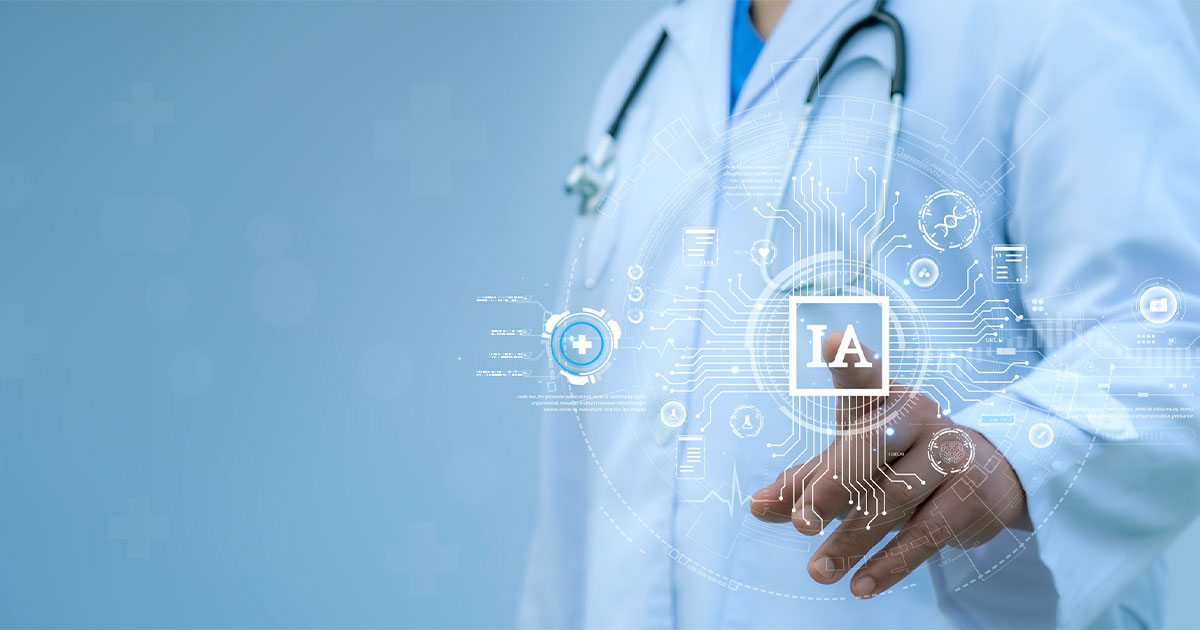

Artificial intelligence in the field of health care…transformation paths and innovation models
Health careis one of the basic pillars of human development, but the global reality still reveals deep gaps in access to basic health services. According to international estimates, about 4.5 billion people around the world are still deprived of essential health services, while the deficit in the number of health sector workers is expected to reach 11 million people by 2030.
In light of this increasing pressure on health systems, artificial intelligence is emerging as one of the most promising tools capable of supporting health care and reducing access gaps, thus bringing back hope for achieving universal health coverage.
Analyses issued by theEconomic Forum indicateGlobal (World Economic Forum) noted that employing artificial intelligence in health care may contribute to improving the efficiency of services, reducing costs and raising the quality of health outcomes, which enhances the chances of achieving Sustainable Development Goals (SDGs) related to good health and well-being.
Based on this framework, the article reviews how the role of artificial intelligence in health care is shaping up through a gradual path that includes adoption challenges, applied innovation models, and the development of traditional medicine and health management, in a broader context aimed at supporting sustainable development and improving the quality of life.
Adoption is slower than expected despite the capabilities
Despite the rapid development of smart technologies, healthcare is still among the sectors least dependent on artificial intelligence compared to others. This reflects a combination of regulatory and ethical challenges, as well as…Varying levels of investment in digital health solutions. However, recent studies confirm that the gap between available capabilities and actual application levels highlights the need for supportive regulatory and training frameworks and does not diminish the expected transformative role of these technologies.
Despite this discrepancy between the speed of development of technologies and the limited adoption of them within the sector, applied innovations have emerged on the ground that reflect the ability of artificial intelligence to make a real impact within health care systems.
New innovations reshaping health care
TheHealthcare sector has witnessed an accelerating wave of innovations based on artificial intelligence, aimed at addressing chronic imbalances in access to and quality of services. These innovations extend from early diagnosis to emergency management, from prevention to improving the efficiency of medical decision-making,This reflects a gradual shift in the way health care is provided globally.

Faster and more accurate diagnosis
Artificial intelligence has contributed to improving the accuracy of medical diagnosis, especially in critical cases where the course of treatment depends on the speed of the decision. Brain image analysis applications have demonstrated an advanced ability to detect strokes with high accuracy, in addition to determining the timing of their occurrence, which is a crucial element in choosing the appropriate therapeutic intervention. This type of innovation helps doctors reduce the margin of error and support their decisions at critical moments, thus increasing the chances of saving lives.
More accurate monitoring of injuries
In other fields, such as diagnosing bone fractures, smart systems have shown the ability to detect injuries that may go unnoticed in traditional examinations, especially in light of the pressure on emergency departments and the shortage of personnel. And contributesThe use of artificial intelligence in initial radiology examination reduces the need for additional examinations and improves the accuracy of diagnosis, which reflects the quality of health care and reduces the burden on health systems.
Emergency management and resource direction
The impact of the innovation extends to emergency services, where intelligent algorithms are used to support decisions to transfer patients to hospitals, based on accurate vital data. These applications help direct limited resources more efficiently, relieve pressure on hospitals, while ensuring that care reaches the patients most in need, which enhances equity in the provision of health care services.

Early detection and prevention
Artificial intelligence opens new horizons for early detection of chronic and complex diseases before their clinical symptoms appear, depending onTo analyze large-scale health data. This transformation allows the transition from a model that focuses on treating the disease after it has worsened to a model that puts prevention and early intervention at the forefront, which improves the quality of life and reduces the cost of health care in the long term.
Decision support and experience improvement
On the other hand, artificial intelligence tools contribute to daily medical decision support, whether through physician assistance systems or digital patient follow-up platforms. These tools help reduce administrative burdens, improve communication with patients, and customize treatment plans, while maintaining the central role of the human physician in making the final decision.
This transformation extends beyond the boundaries of modern medicine, as it includes traditional therapeutic patterns that still constitute an essential part of health systems in many societies.
MedicineTraditional in the era of artificial intelligence
The impact of artificial intelligence extends to traditional medicine, which billions of people around the world depend on, especially in developing countries and rural communities. As this treatment method continues to be an integral part of health systems in more than 170 countries, artificial intelligence opens new horizons for systematically documenting and analyzing traditional medical knowledge, thus enhancing its safety and effectiveness and contributing to its integration within more modern health frameworks.
In this context, initiatives supported by the World Health Organization have demonstrated how smart technologies can support traditional, complementary and integrative medicine, by digitizing texts and therapeutic practices, analyzing the properties of medicinal plants, and evaluating their effectiveness using advanced scientific tools, while at the same time preserving the cultural heritage associated with these practices.
The experiences of several countries highlight this trend. India has developed a digital library of traditional medical knowledge supported by artificial intelligence, while machine learning models are being used in African and Asian countries to help classify medicinal plants and analyze their compounds. These experiences confirm that integrating artificial intelligence into traditional medicine does not aim to replace it, but rather to develop it and enhance its reliability, with an emphasis on protecting the rights of local communities and ensuring their sovereignty over their data and knowledge. As the scope of medical uses expands, the administrative aspect remains one of the keys to maximizing the impact of these technologies.

Health management between efficiency and trust
On the administrative side, AI applications help reduce the time doctors spend on paperwork, allowing them to focus more on patients. HoweverAcceptance of these tools remains uneven, with concerns related to privacy and data accuracy, which highlights the importance of strict regulatory frameworks to ensure the safety and reliability of these solutions within healthcare systems.
وفي المحصلة يكشف هذا المشهد متعدد الأبعاد أن الذكاء الاصطناعي يمتلك قدرة حقيقية على إحداث نقلة نوعية فيالرعاية الصحية ودعم أحد أهم مكونات التنمية البشرية. However, achieving this impact remains dependent on the presence of fair regulatory policies, sustainable investments in building human capabilities, and ensuring that the benefits of technology reach the groups most in need.
In this sense, The Earth Guards Foundation believes that employing artificial intelligence in health care must be seen as part of a broader development path to achieve the Sustainable Development Goals (SDGs), in particularThe goal of good health and well-being, by promoting health equity, reducing gaps, and building health systems that are more resilient and responsive to the needs of communities.


