

Venezuelan oil returns to the forefront… An American agreement opens the door to controlling 65 billion barrels
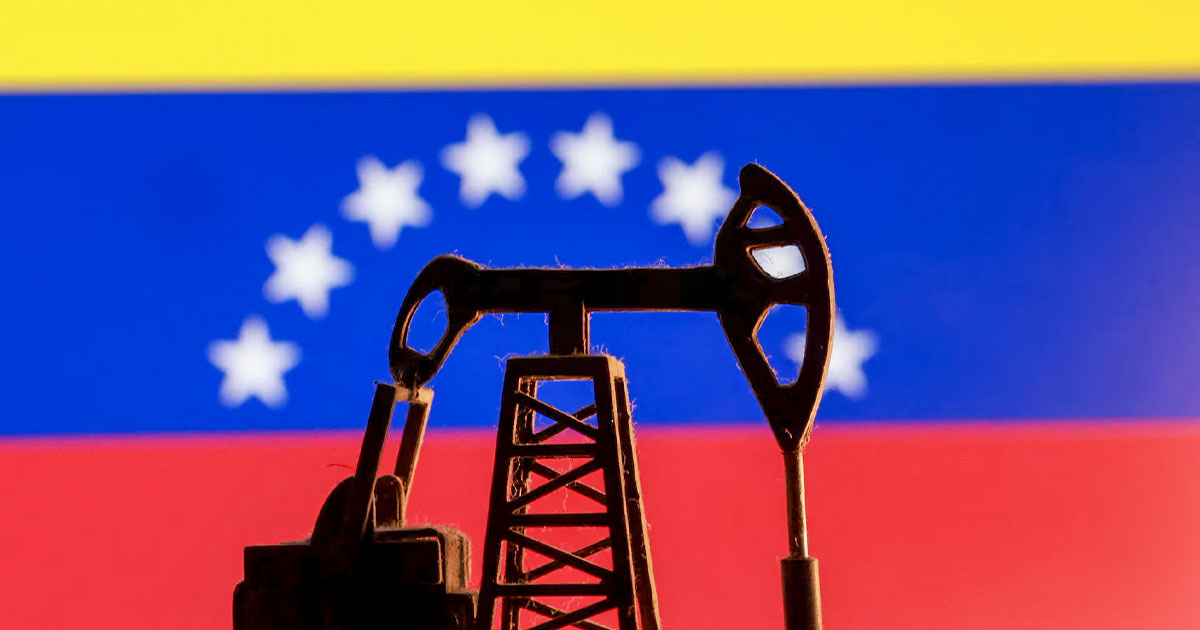

Venezuelan oil returns to the forefront.. An American agreement opens the door to control of 65 billion barrels
Venezuela’s oil is back at the heart of US calculations after President Donald Trump announced a new agreement with interim President Delcy Rodriguez that he said gives the US majority control over more than 65 billion barrels of proven oil reserves inside Venezuela.
Trump described the agreement as a great win for both sides, stressing that it was reached through a partnership with the private sector, and with the participation of Secretary of State Marco Rubio and Secretary of Defense Pete Hegseth. He also said that the agreement would not bear any cost to American taxpayers, and that it could lead to more than doubling the size of American oil reserves.
But the advertisement was leftThere are many unanswered questions, as the legal structure of the agreement, the names of the fields it covers, the participating companies, or the method by which this control will be exercised on the ground have not yet been revealed.
65 billion barrels
Venezuela has about 303 billion barrels of proven oil reserves, the largest in the world, which makes any agreement related to part of this wealth an important event in the energy market.
According to Trump’s statements, the deal includes more than 65 billion barrels, that is, a huge amount compared to the size of current US reserves.
But having oil underground is different from being able to produce it quickly. Venezuela currently produces only about 1.25 million barrels per day, despite having the largest proven reserves in the world.
This is related to the big difference betweenThe size of reserves and actual production due to the deterioration of part of the oil infrastructure and the decline in investments over the past years, which means that increasing Venezuela’s oil production will require capital and development of fields and facilities.

Why is Washington moving?
Since the removal of former President Nicolas Maduro from power in January, the US administration has been working to secure a more stable flow of Venezuelan crude to US refineries, along with encouraging US companies to return to invest in the country’s energy sector.
These moves come at a time when Trump is facing domestic pressure due to rising gasoline prices ahead of the midterm elections in November.
Increased oil supply may, over time, help relieve some of the pressure on…Prices, especially if companies succeed in raising Venezuelan production and sending larger quantities to the American market.
The United States is also looking for ways to replenish its strategic oil reserve after its decline over the past years, which makes Venezuelan oil a potential part of plans to enhance American energy security.
This aspect intersects with the seventh goal of the Sustainable Development Goals (SDGs) related to providing clean energy at reasonable prices, especially from the perspective of stabilizing supplies and reducing the impact of energy market disturbances on economies and consumers.
Companies return to the fields
The announcement coincides with accelerated movements from US energy companies, and according to reports contained in the source, it is expected that Chevron and companies will sign…Other American agreements to pump billions of dollars in investments into Venezuelan fields.
There were also reports of advanced negotiations to obtain direct shares in more than a dozen oil and gas fields, which include about a third of the country’s huge energy reserves.
These moves indicate that the agreement may open the door to a new phase of American investments in Venezuela’s oil sector, after years of declining production and weak spending on infrastructure.
If these investments turn into actual operations, they may include rehabilitating fields and facilities, developing transportation networks, and increasing the ability to extract, process, and export oil.
Production takes time
Despite the large numbers announced, the actual impact of the agreement on the oil market may take time.Production is not achieved simply by owning rights or shares in reserves. The fields require investments, equipment, maintenance, and technical expertise, in addition to an infrastructure capable of transporting and exporting crude.
Therefore, the first impact of the agreement may be related to reopening the door to investment rather than an immediate and significant increase in supplies.
Whenever companies succeed in developing fields and raising production, additional quantities of crude may enter the market, which could help improve the balance of supply and demand and reduce pressure on fuel prices.
New investments can also contribute to revitalizing the energy sector within Venezuela and creating new economic opportunities, which is consistent with the eighth goal of the Sustainable Development Goals (SDGs) on decent work and economic growth from the perspective of enhancing investment and productive activity.
Controversy over control
The announcement also sparked criticism within the Venezuelan opposition, as some opponents considered that the proposed arrangements gave the United States broad influence over the country’s resources.
This controversy reflects the sensitivity of the agreement, especially since its full details are still not announced, while oil has been directly linked to the economy and politics in Venezuela for years.
The point of “American control” remains in need of greater official clarification, because what Trump has announced so far does not specify whether the United States will own direct shares in the fields, or whether American companies will work through joint investment and production agreements, or whether the matter will take a different form.
Based on the above, The Earth Guards Foundation confirms thatThe new agreement on Venezuelan oil may reshape the relationship between one of the countries that owns oil reserves and the largest economy in the world, but its real impact will depend on the details of implementation, the volume of investments, and the ability of the Venezuelan sector to increase production. Between the American desire to enhance energy security and reduce pressures on fuel prices, and Venezuela’s need to rehabilitate its oil sector, the coming years will be the actual test of the value of the 65 billion barrels that the new deal has placed at the heart of the scene.


