Egypt participates in the African Free Trade Area meeting to advance economic integration
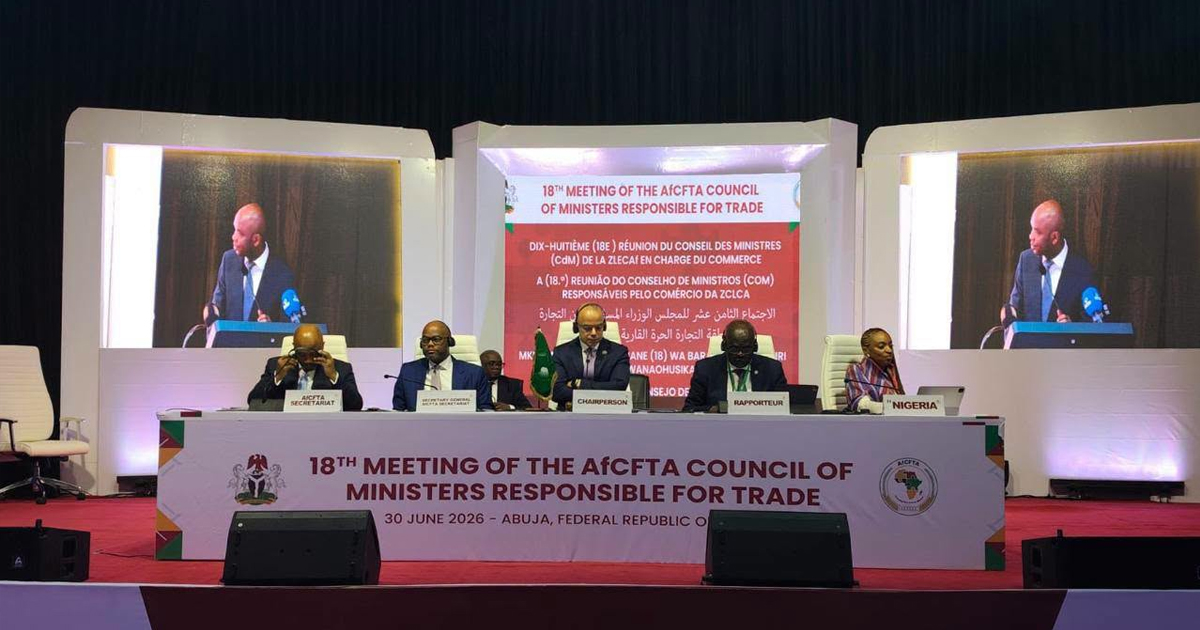

Egypt participates in the African Free Trade Area meeting to advance economic integration
Enhancing regional cooperation and building economic partnerships between African countries constitutes one of the basic pillars of achieving continental economic integration, which contributes to expanding trade and investment opportunities, enhancing the flexibility of economies, and supporting comprehensive development paths.
In light of global economic challenges, the importance of policy coordination and integration of efforts increases in order to consolidate the foundations of sustainable growth and enhance the continent’s ability to benefit from its resources and potential.
Based on this, the African ContinentalFree Trade AreaAgreement (AfCFTA) represents a practical model for translating this vision into reality, by removing obstacles to trade, promoting the integration of African markets, and enabling…The private sector, which supports the achievement of many Sustainable Development Goals (SDGs), most notably the eighth goal on decent work and economic growth, the ninth goal on industry and innovation, and the seventeenth goal on establishing partnerships to achieve development goals.
Promoting African trade and investment
In this context, Dr. Mohamed Farid Saleh, Minister of Investment and Foreign Trade, participated in the eighteenth meeting of the Ministerial Council of the African Continental Free Trade Area (AfCFTA), which was hosted by the Nigerian capital, Abuja, with the participation of the trade and investment ministers of the states party to the agreement, along with officials of the General Secretariat of the agreement and representatives of African regional institutions to promote continental economic integration, coordinate policies, and integrate efforts to increase Egyptian exports with the countries of the African continent.
The African Continental Free Trade Area (AfCFTA) is the largest free trade area in the world in terms of the number of participating countries, as it includes 54 African countries. It aims to create a unified market that enhances trade and investment, and removes obstacles to the movement of trade, in a way that supports economic integration, raises the competitiveness of African economies, and enhances their integration into regional and global value chains.
The agreement also represents a strategic opportunity for Egypt to enhance exports, attract investments, and expand private sector business in African markets, in a way that supports achieving Egypt’s Vision 2030 and Goal (9) Industry, Innovation, and Infrastructure.

Economic integration among African countries
Dr. Mohamed Farid reviewed the most prominent achievements achieved during the Egyptian presidency of the Council, noting its success in pushingTechnical and institutional negotiations, and reaching an African consensus on the rules of origin for the ready-made garments, textiles, and automobile sectors. These files remained under negotiation for more than four years, before reaching a transitional implementation mechanism that obtained the consensus of the states parties, which represents an important step towards completing the requirements for full implementation of the agreement, and enhancing intra-African trade.
The Egyptian presidency of the Council also focused on advancing the practical implementation of the agreement, removing obstacles to intra-trade, and enhancing economic integration among African countries, thus providing greater opportunities for the private sector, supporting the access of Egyptian exports to African markets, and enhancing the ability of Egyptian companies to expand in the continent’s markets.
Technical and institutional meetings to strengthen the implementation of the Convention
This has preceded the Ministerial Council meetingA series of technical and institutional meetings, which included meetings of technical committees and senior trade officials, which discussed the level of implementation of the agreement in the areas of trade in goods and services, digital trade, investment, intellectual property rights, and the empowerment of women and youth, in addition to developing mechanisms for liberalizing customs tariffs, and completing negotiations on the remaining package of rules of origin, in a way that supports the access of goods and services to African markets.
The Ministerial Council also considered a number of institutional reports, including the report of the Secretary-General of the Secretariat of the African Continental Free Trade Area on the implementation status of the Agreement, the outcomes of the Summit of African Heads of State and Government held in February 2026, developments in the ratification of the legal instruments of the Agreement, the report of the twenty-second meeting of the Committee of Senior Trade Officials, as well as the reports of the Dispute Settlement Body and the Action Plan.Concerning agricultural trade.
Enhancing the competitiveness of the Egyptian economy
Dr. Mohamed Farid indicated that the Ministry of Investment and Foreign Trade places maximizing the benefit from free trade agreements at the top of its priorities, as it is one of the main tools for achieving the state’s goals of increasing exports, raising investment rates, enhancing the competitiveness of the Egyptian economy, and creating new opportunities for the private sector, within the framework of the economic and structural reforms program implemented by the state to improve the business environment, facilitate the movement of trade, and enhance the integration of the Egyptian economy into regional and global value chains.

In conclusion, these moves confirm that deepening economic partnerships and institutional coordination between African countries represent an essential foundation for building a more integrated continental market capable of confronting…Challenges, in line with the seventeenth goal of the Sustainable Development Goals (SDGs), which aims to enhance effective partnerships to achieve sustainable development.
For its part,The Earth Guards Foundation appreciates the Egyptian participation in the work of the Ministerial Council of the African Continental Free Trade Area and sees it as the embodiment of a vision aimed at maximizing benefit from regional economic integration mechanisms, and transforming trade agreements into effective tools to support production and export and attract investments.
You also believe that this participation confirms Egypt’s keenness to consolidate its position as a major partner in the continent’s development efforts, which contributes to enhancing the competitiveness of the Egyptian economy, supporting the process of sustainable development, and consolidating the foundations of joint economic growth among African countries.