Eternal chemicals in Lancashire… Pollution besieges the population and questions seek answers
Liz Hearst was preparing for a new stage in her life; A different home, a different job, and marriage on the verge of getting closer, before her plans suddenly stopped after she was diagnosed with kidney cancer when she was thirty-two years old. Then the doctors told her that this disease was not common among women of this age, while the cause remained unknown for many years.
Fifteen years later, the question came back forcefully when a government-commissioned study revealed higher than expected rates of kidney cancer in the vicinity of an AGC Chemicals Europe factory in the city of Thornton Cleveleys, north of Blackpool, Britain. The factory was found at the center of investigations related to the spread of chemicals in the soil, agricultural products and nearby homes.
The study did not prove the presence of a statistically significant cancer cluster, nor did it confirm that the cases were linked to recorded levels of environmental pollution. However, the results raised concerns among international experts who called for further investigations and health examinations, especially after the discovery of widespread contamination with the substance “perfluorooctanoic acid” known by the abbreviation “PFOA.”
As for “Liz,” her case forced her to live most of her life near the factory, a place where she remembered her elementary school’s training exercises that were conducted to prepare for the possibility of a chemical leak. She also remembered how she worked during several summers in a laboratory on the site while she was a science student!
When I read that international research linked PFOA to kidney cancer, I felt that the question that had remained unanswered for years became more urgent: DoesDid exposure to materials emitted from the factory contribute to her injury?
It is estimated that the plant released about 49 tons of PFOA between the 1950s and 2012, a substance that belongs to the “PFAS” group, known as “ Forever Chemicals”; Because of its ability to remain in the environment for long periods of time and the difficulty of decomposing it naturally.
The factory used this material in the production of “ Polytetrafluoroethylene” or PTFE, which is a compound used in the manufacture of non-stick coatings. Based on this danger and potential health problems, PFOA was banned globally in 2020.
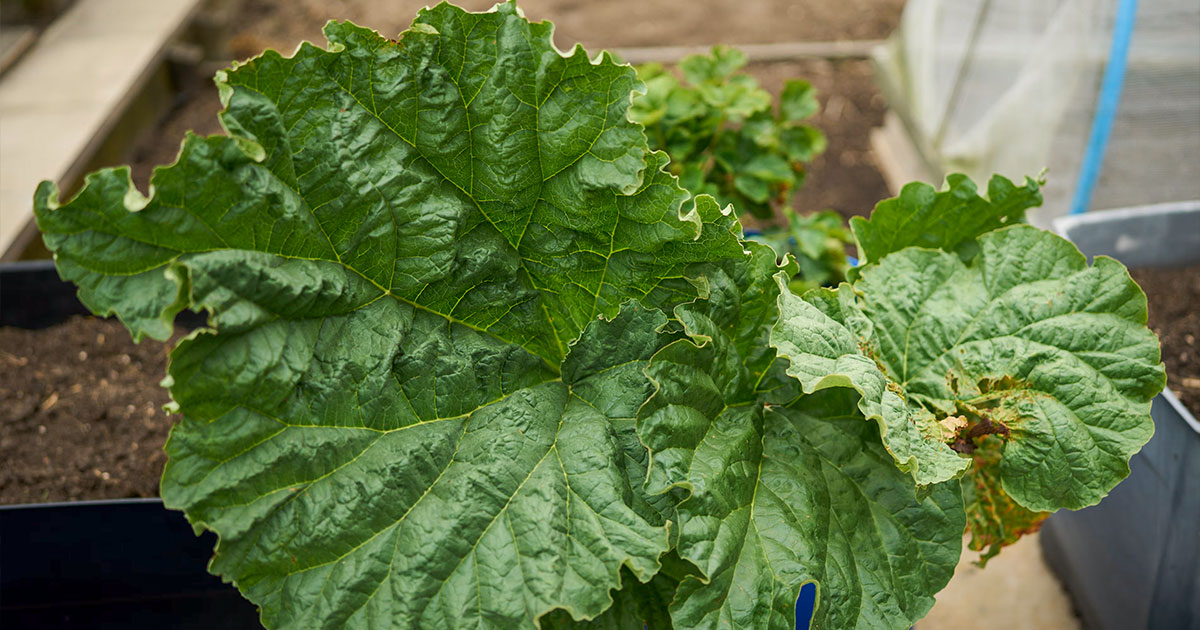
And in 2024 it startedThe city’s local council investigated the site’s historical emissions. Procedures included examining samples of soil, fruits, vegetables, and locally produced eggs. Tests showed widespread contamination around the factory. The authorities advised area residents not to eat eggs produced within one kilometer of the facility, in addition to washing and peeling crops grown at home.
While scientists continued to analyze the data and regulatory authorities followed their procedures; Residents continued their lives amid doubts affecting details that seemed safe and normal before, such as eating garden vegetables or eggs produced by domestic birds!
This crisis reveals that the impact of chemicals goes beyond the boundaries of industrial facilities. It can spread through soil and food to the bodies of residents. This extension enables early monitoring of emissions and monitoring of their effectsAn essential part of protecting public health, especially when compounds remain in the environment decades after they are no longer in use.
From the garden to the dining table
In five years, the small plot of agricultural land owned by Alan Hodson turned into a haven to escape from the stresses of life, where he would spend a few hours among the plants, then return to his home with a clearer mind.
The place is adjacent to the factory, and anyone can hear the sounds it emits. There, “Alan” wondered when he got the land how safe the site was?! However, he assumed that the responsible authorities would not allow it to be used for agriculture if there was a danger.
This assumption changed when men wearing protective vests came to collect samples of soil and crops, and several months later he received a letterIt was hand-delivered to him telling him that his beet crop had the highest level of PFOA among the products tested.
In the absence of a specific British guideline level for PFOA in soil, the results were compared to the standard used in Belgium. One of the agricultural garden samples recorded seven times this level. The results revealed how chemicals can move from industrial sites to nearby agricultural lands and crops.
Therefore, the Lancashire Environment Agency recommended that the park be officially classified as contaminated land, after concluding that it had met the legal criteria for this; Consequently, the local council decided to close it and change its locks.
Then Alan spent his last weeks removing plants and getting rid of spent crops.She owed him his money and time. He left the strawberries for the birds and threw away the plants he had nurtured since they were small seedlings. With the loss of the place that had helped him regain his calm, he began to suffer from sleep disturbances and a heavy feeling that his years in the garden had been wasted.
On the other side of the fence, Sam Hammond lives with her five children, where samples collected from her garden showed much higher levels; One of them recorded a concentration 40 times above the guideline level used in Belgium.
The most disturbing result came from the duck eggs that the family was producing; The analyzes revealed that eating one egg every week can make exposure to PFAS substances exceed the weekly safe level approved in Europe by about ten times, when Sam and her children were eating these eggs every day for many years.
However, the family has not yet received a full explanation of what the results mean for their health or their home, and anxiety has become present from the moment Sam wakes up until she tries to sleep; Which prompted her to increase the dosage of her mental health medications.
Here the impact of chemicals directly meets the path of sustainable development. Because protecting health is linked to the safety of soil, food, and water, and responsible production patterns depend on preventing the spread of industrial damage to surrounding communities. When a family loses confidence in its garden and table, the environmental problem turns into an integrated health, social, and economic crisis.
Residents stuck between anxiety and waiting for answers
Regarding this, the local authorities confirm that the investigation is complicatedFrom both a scientific and legal perspective, decisions must be based on strong, defensible evidence. The participating parties also say that they are committed to transparency, and will communicate with the population after reaching official results.
Whatever the case, the course of scientific investigation is moving at a slower pace than the population’s need for clear answers. Alan is looking for an alternative land, Sam wants to know whether her home is safe for her and her children, while Liz is still searching for an answer to the question that has been with her since the discovery of the contamination.
In general, Liz has recovered from cancer since 2019 after her left kidney was removed, but she believes that what the residents of the region need today is accurate information and regular health examinations that help them discover any potential dangers in the early stages, instead of waiting for results that may take years.
And in parallelWith the official investigations, the legal path began to take shape; More than 90 people expressed interest in joining a potential legal action, while 50 residents underwent blood tests over the summer. A law firm is also investigating the possibility of filing a claim – on behalf of Sam – related to loss of use of her land and possible personal damages.
On the other hand, AGC Chemicals Europe confirmed that it takes seriously its responsibilities towards employees, the local community and the environment, noting that the government report did not prove the presence of a statistically significant cancer cluster, or the concentration of cases near its current location, nor did it prove the existence of a relationship between levels of environmental pollution and infection with the disease.
These data highlight the importance of distinguishing between legitimate societal concern and proven scientific results. Because the presence of widespread pollution and an increase in some health indicators impose…More investigation and transparency However, proving a direct causal relationship between exposure to PFAS compounds and specific diseases requires more comprehensive data, broader health examinations, and deeper scientific studies.
In conclusion, The Earth Guards Foundation believes that confronting the effects of chemicals requires ensuring the population’s right to health information and examinations, in addition to tightening control over industrial facilities, treating contaminated soil, and determining responsibility for damages.
While the residents of Lancashire await the results of the investigations, the closed gardens and abandoned crops remain evidence of a crisis that is no longer confined behind the factory walls. As for Liz, she is still searching for a clear answer to one question: Did the chemicals cause her cancer?