

Saudi IFAT 2026 Exhibition: A New Vision for Sustainability and Environmental Tech Development
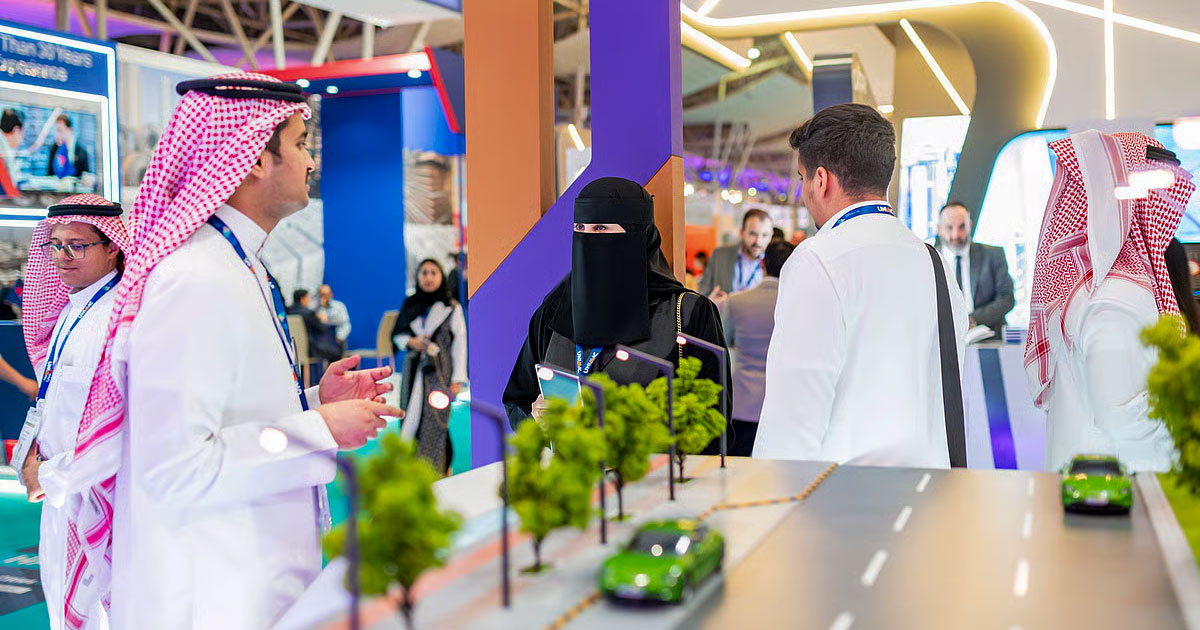

Exhibition“Evat Saudi Arabia 2026“: A new vision for sustainability and environmental technology development
Environmental technology is one of the axes of sustainable development, which is a purposeful global framework that seeks to achieve a balance between economic growth, social justice, and environmental preservation; In order to ensure that the needs of current generations are met without compromising the rights of future generations.
In a world where human pressure on resources and nature is increasing, sustainable development has become an essential element in the policies of countries, companies and civil society, as it is a path to ensuring a just society. This is what the Arab countries that are making a place for themselves in development policies realize, which is:In the Kingdom of Saudi Arabia hosting the activities of the “Efate Saudi 2026” exhibition, which we highlight in the following lines: So keep reading.
Promoting modern environmental technology
In Riyadh, the activities of the “Efatt Saudi 2026” exhibition were held during the period from January 26 to 28, to be a pioneering platform that brings together experts, decision makers, and international companies in the field of environmental technology and environmental resource management.
With Egyptian participation, represented by a high-level Egyptian delegation headed by Engineer Sherif El-Sherbiny, “Minister of Housing.” With a desire to enhance communication with major international companies, discuss opportunities to localize industries related to the water and sanitation sector within Egypt, and learn about successful applied models that can be transferred to develop the infrastructure and facilities system in governorates and cities.New.
The exhibition reflects the Kingdom’s commitment to achieving the Sustainable Development Goals (SDGs), especially the sixth goal on clean water and sanitation, and the twelfth goal related to responsible consumption and production, by promoting innovation and transfer of modern environmental technology.

A global platform that brings together governments and industry
Efatt Saudi Arabia 2026 is the local version of the famous international exhibition, and focuses on:
- Water Management Solutions
- Sewage Treatment
- Resource Monitor
- Waste Management
- Recycling
The exhibition witnesses the participation of more than 450 exhibiting companies from more than 35 countries.In addition to 12 international pavilions displaying the latest technical innovations and sustainable environmental practices, while thousands of professional visitors from around the world participate.
Government sponsorship and environmental transformation strategy
The event is held under the patronage of the Saudi Ministry of Environment, Water and Agriculture, to be a strategic platform that brings together government decision-makers, senior executives, investors, and technical experts. In order to discuss environmental development prospects and link them to national economic goals.
During the opening, the efforts of the Kingdom of Saudi Arabia in water management, sewage treatment, and reuse were highlighted, in addition to the Saudi Green Initiative, which contributes greatly to enhancing the field of environmental technology and achieving the Kingdom’s Vision 2030.
TopHigh-level development goals
The exhibition’s activities include a high-level summit that provides a platform for dialogue between governments and investors to develop national policies in the water and waste management sectors, and balance economic growth with the protection of environmental resources. The summit also focuses on circular economy solutions, encouraging international partnerships and transferring advanced technology, to support the transition towards sustainable development.
Innovations and practical experiences
The exhibition also presents practical experiences that engage visitors in environmental awareness, such as waste classification challenges and interactive experiments in educational spaces. Which reflects the vital role of the exhibition in enhancing environmental awareness and encouraging innovation in the sector.
The “Efate Saudi 2026” exhibition also worked to provide a space for emerging companies. To provide innovative solutions inareas of water management and recycling; Contributing to driving the transition towards a green economy and supporting local and regional innovation.
Hence, the “EVAT Saudi 2026” exhibition reflects a living model of how to integrate technology, innovation, and strategic policies to achieve Sustainable Development Goals (SDGs) at the national and regional levels. Because it – i.e. EFAT Saudi Arabia 2026 – is an incubator for sustainable thought, international cooperation, and the transfer of practical experiences. Which enables governments and companies to adopt practical solutions to environmental challenges.

By following these experiences and practices, a clear road map can be drawn towards an integrated circular economy, sustainable resources, and an environmentally conscious society. Which makes the event a major platform for unifying the efforts of the public and private sectors towards a sustainable and prosperous environmental future.
This approach – according to the vision ofFoundationEarth Guards– It enhances the ability of countries to face future challenges, and establishes a strategic approach that combines economic investment, environmental preservation, and social justice. Ultimately, success in sustainable development depends on international cooperation, institutional integration, and community awareness. So that every environmental initiative is an important step towards a more stable and sustainable world for future generations.


