To support medical tourism.. two world-class medical cities in El Alamein and the New Capital
Medical tourism is one of the promising paths to enhance the competitiveness of countries, in light of the increasing demand for specialized health care services, and their integration with the tourism infrastructure and support services. Integrated health care has come to depend on the availability of an integrated system that combines qualified medical personnel, modern technologies, specialized care institutions, and accommodation and transportation services, ensuring the provision of an integrated treatment experience for patients and visitors.
In this context, Egypt is moving to strengthen its position as a regional and global center for distinguished medical services, by expanding the establishment of integrated health projects that combine treatment, medical education, training and scientific research, and are based on international investments.And specialized expertise. This supports the development of the health system and enhances Egypt’s ability to attract more visitors to benefit from its advanced medical services.
An expanded meeting to discuss the two city projects
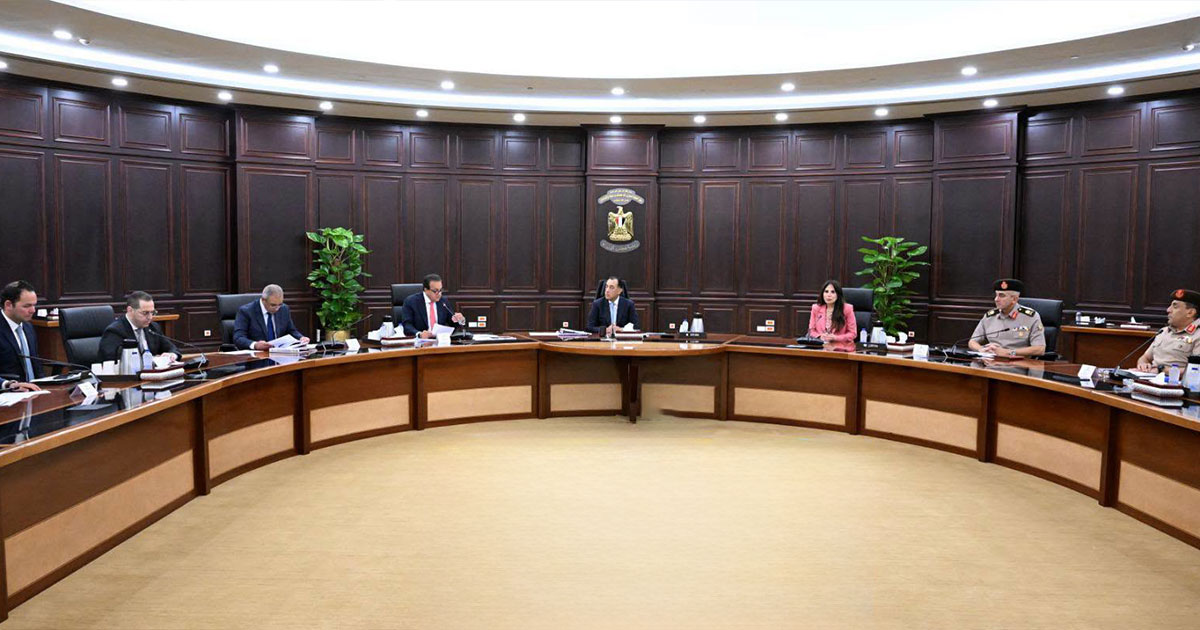
From this standpoint, Dr. Mostafa Madbouly, Prime Minister, held a meeting today; To review the proposal for the two integrated medical cities projects in the New Capital and New Alamein City, to promote medical tourism, in the presence of Dr. Khaled Abdel Ghaffar, Minister of Health and Population, Engineer Randa El Minshawy, Minister of Housing, Utilities and Urban Communities, Major General Walid Arif, Head of the Engineering Authority of the Armed Forces, and Major General Dr. Ashraf Al-Arabi, Head of the Consulting Office of the Engineering Authority.
At the beginning of the meeting, the Prime Minister confirmed that the projects to establish the two medical cities in the capitalNew and New Alamein are considered important projects, noting that they were the subject of follow-up and discussion during more than one previous meeting, which reflects the government’s interest in advancing implementation steps.
Comprehensive health insurance system service
For his part, Dr. Khaled Abdel Ghaffar, Minister of Health and Population, stated that the two projects include medical, administrative, educational and training areas, as well as specialized hospitals equipped with the latest systems and technologies, thus enhancing Egypt’s position as a regional center for specialized health care, research and medical education.
The minister indicated that, within the framework of the contract with the implementing coalition, the state will obtain a large percentage of medical beds to direct them to serve the comprehensive health insurance system, in a way that enhances the capabilities of the health system and provides advanced treatment services.For citizens.
He added that the state aims, through the two projects, to create an integrated model for medical cities, based on successful international experiences in this field, which contributes to providing advanced health services, and enhances Egypt’s regional and global role in promoting and developing specialized medical services.
This trend is consistent with the third goal of the Sustainable Development Goals (SDGs), which is concerned with ensuring that everyone enjoys healthy lifestyles and well-being at all ages, by supporting the availability of specialized health care services and developing the capabilities of the health system.
$5 billion to promote medical tourism in Egypt
During the meeting, officials of the Global Alliance, which will implement the two projects, confirmed that the Egyptian government will benefit greatly from the implementation of these two projects,Pointing out that the total investments of the two projects exceed $5 billion in the form of foreign direct investment, with investments in the Medical City in the New Capital amounting to about $2.8 billion, while investments in the Medical City in New Alamein City amount to about $2.5 billion, which reflects the confidence of international investment institutions in the Egyptian economy.
They added that the two projects will rely mainly on Egyptian medical personnel, in light of the high efficiency and distinguished reputation that Egyptian doctors enjoy at the international level, stressing that the two projects aim to provide advanced health services in accordance with the latest international standards, in addition to expanding medical tourism services, as the Medical City Hospital in the New Capital is expected to attract more than three million tourists during the first three years of operation.
Officials also indicated thatThe design of the project takes into account the nature of the services intended to be provided, especially in the field of medical tourism, as the project will include a number of hotels that will serve this activity, providing an integrated system that combines therapeutic services and accommodation, and enhancing Egypt’s competitiveness in the medical tourism sector regionally and internationally.
The two projects also support the achievement of the eighth and ninth goals of the Sustainable Development Goals (SDGs), by attracting foreign investments, promoting economic growth, and developing an advanced health infrastructure based on technology and innovation, which contributes to supporting the competitiveness of the medical tourism sector.
In conclusion, in light of the medical cities in the New Capital and New Alamein that are planned to include specialized hospitals, educational and training areas, and hotel services, the proposed projects could represent a step towards building an integrated health system.It goes beyond providing therapeutic services to supporting medical education, raising the efficiency of cadres, and developing research and training, which may create added value whose effects extend to multiple economic and service sectors.
Directing a percentage of the targeted absorptive capacity to serve the comprehensive health insurance system would link the investment dimension of the two projects with the priorities of developing health care and providing advanced services to citizens.
With the expected reliance on Egyptian medical competencies and benefiting from international expertise and investments, the two cities may contribute to providing a model that combines quality services, institutional integration, and economic sustainability.
The Earth Guards Foundation confirms that the success of this vision is linked to the extent of the ability to transform future plans into an integrated system that takes into accountThe health, economic and development dimensions, and ensuring the integration of the two projects with the needs of the national health system, in a way that supports the development of a health sector more capable of competition and growth in the coming years.