

How Post-Harvest Innovations Are Boosting Global Food Security
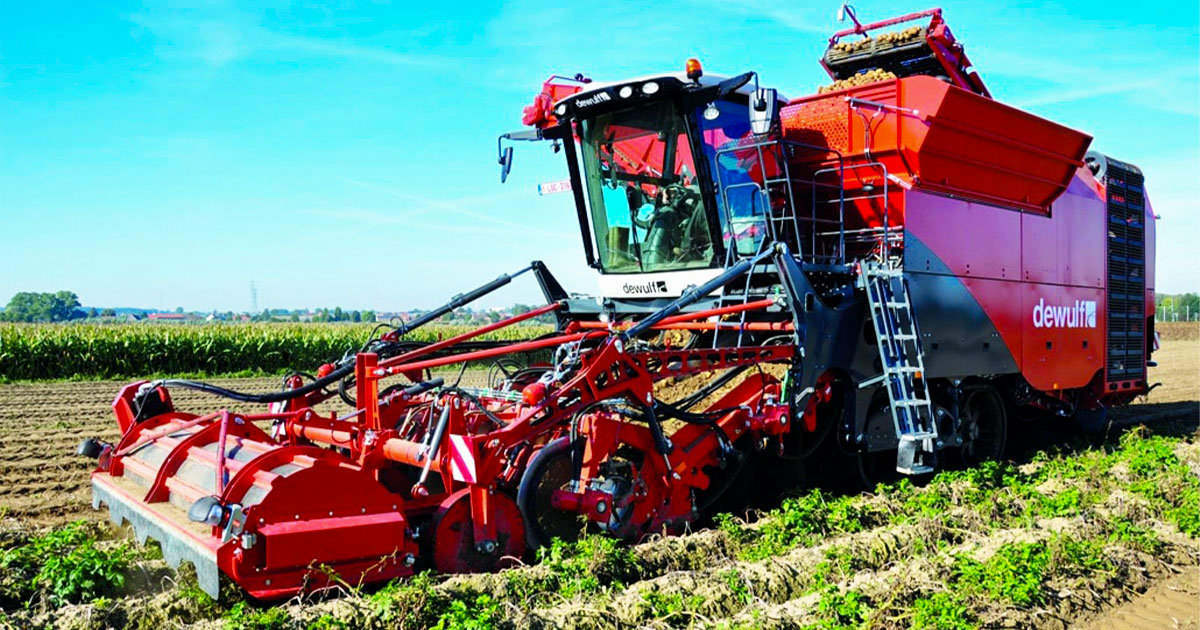

Post-harvest innovations and their role in enhancing global food security
The world loses huge amounts of food every year in the distance between harvest and the arrival of products to the markets, in a phenomenon that is considered one of the most serious challenges facingfood securityat the global level. Damage to crops during transportation, handling, or processing directly affects farmers’ income and increases pressure on production systems andsupply chains, and its impact is not limited to reducing the supply. Nutrition.
However, this reality is not without promising opportunities, as the post-harvest sector is witnessing a remarkable acceleration in innovation, with the emergence of technologies capable of reducing waste and improving the efficiency of storage, transportation and distribution. This transformation comes at a pivotal moment, where technical solutions intersect with…The urgent need for more efficient and sustainable production models, in line with efforts to achieve Sustainable Development Goals (SDGs), most notably eliminating hunger and promoting responsible production and consumption patterns.
Post-harvest waste threatens food security
The damage to agricultural crops during the post-harvest phase directly affects the decline in food supply, the rise in prices, and the decline in farmers’ income, especially in developing countries, in a way that exacerbates the fragility of the groups most vulnerable to the lack offood security, and the loss here is not limited to the economic dimension only, because it also includes the waste of the natural resources that were consumed in producing this food, such as water, energy, and land.
It is estimated that about 9% of food harvested in Europe and North America is wasted during the post-harvest stage, which is the trading stages.And storage, transportation, and distribution, which makes this waste a major contributor to the rise in scope 3 emissions – resulting from the production and transportation of non-consumable goods – in the food and agricultural sectors, whether through the production of non-consumable goods, their useless transportation, or the emission of methane gas resulting from their decomposition in landfills.
In the face of these challenges, post-harvest innovations stand out as solutions capable of reducing waste and enhancing the efficiency of the food system, because they include technologies applied after collecting agricultural products, and include storage, processing, and transportation, while maintaining quality and nutritional value, which enhances the efficiency of supply chains and increases economic returns. In this context, the post-harvest stages and the impact of modern innovations at each stage are being reviewed.

New technologies for food preservation and storage
representsProtecting food after harvest is the first challenge in supply chains, because the agricultural product needs innovative solutions that prevent premature spoilage and extend its shelf life. This field has witnessed remarkable development with the emergence of technologies that enhance storage efficiency and reduce waste, thus supporting food security and improving the sustainability of the agricultural system.
Hermetic storage
Tight storage is one of the most effective solutions to protect dry crops from pests and moisture, because this technology relies on airtight bags or silos in which the crop consumes the remaining oxygen, which deprives spoilage-causing organisms of the elements to survive. This mechanism works without chemicals, and contributes to reducing storage losses to less than 1%, with high applicability to small farmers and large commercial projects alike.
Storage Environment Control
This approach represents an evolution of conventional refrigeration and is intended for high-value, highly perishable products. This technology relies on precise control of temperature, gas levels, and humidity, which slows down the ripening and spoilage processes and extends shelf life while maintaining nutritional quality. This allows sensitive products to be transported over long distances and reach new global markets.
Edible Coatings
Edible coatings rely on natural materials to form a thin, invisible layer around the fruits, which acts as a microclimate that slows spoilage and limits moisture loss and microbial growth. This technology leads to a direct reduction in food waste and reduces dependence on plastic packaging, while maintaining the quality of the product and its market value, thus enhancingIts appeal to sustainability-conscious consumers.
These benefits translate into a direct reduction in food waste and greater protection of producers’ revenues, while reducing the need for single-use plastic packaging, which helps companies achieve the Sustainable Development Goals (SDGs) of reducing emissions and reducing plastic waste, which contributes to enhancing food security globally.
However, the role of post-harvest technologies extends beyond preserving food, to include repurposing it through smart processing to extend its shelf life and maximize its economic value. These techniques include:
Intelligent processing and extending the shelf life of food
After completing the preservation and storage process, a crucial stage in the post-harvest chain emerges, which is the transformation of highly perishable foods into longer-lasting and more valuable products. Techniques lead to…Smart processing plays a pivotal role in this transformation, because it allows extending the shelf life of food while preserving its nutritional and economic value, which enhances the efficiency of the system and supports food security.
Freeze drying
Freeze-drying technology stands out as a well-known process in food production, but today it is witnessing remarkable development towards higher efficiency and better sustainability. While this process was energy-intensive, recent innovations have made it possible to use microwaves or infrared rays to reduce drying time and reduce costs, while maintaining food quality, which aims to speed up the movement of products through the supply chain.
This method also allows the production of high-value, long-life goods, such as instant coffee, space food, rations, and dried fruit snacks, reducing waste and convertingPerishable products add economic value.However, these efforts remain incomplete, as they are not complemented by effective management of the transportation phase, which represents one of the most fragile links in the supply chain.
Innovations in transportation and distribution
After harvesting, storing and processing when needed, the final challenge remains transporting food safely to markets without loss or damage. The transition from the farm to the market shelves represents one of the most fragile points of the supply chain, as any damage during transportation leads to large losses, especially for sensitive and highly perishable products, which directly affectsFood Security.

Automated Loading Solutions
Automated loading systems, such as smart strapping machines, are transforming shipment protection, because they providePrecise, balanced tension prevents pinching or buckling typically caused by manual tightening methods. This contributes to improving the stability of loads during transportation and reducing damage and waste, in addition to increasing the efficiency of operations, as these systems can handle up to 70 transport pallets per hour.
In addition, other logistical innovations contribute to reducing food waste, such as monitoring temperatures within cold chains to maintain the quality of products, in addition to improving shipping routes via tracking systems (GPS) to reduce transportation time. This integration helps food reach the markets in the best possible condition, and reduces waste throughout the various stages of the chain.
As supply chains become more complex and widespread, relying on digital solutions and data has become a critical factor in enhancing efficiency and reducing food waste.
Towards a future based onData
Post-harvest innovation is increasingly moving towards data-driven solutions, with IoT sensors and blockchain technologies increasingly playing a role in building more transparent and responsive supply chains. Data analyzes allow predicting potential spoilage areas, improving inventory management, and enhancing food traceability across the various stages of the chain, which supports the efficiency of the system and servesfood security.
Among the notable innovations still under development is the use of digital twins, by combining Internet of Things data with predictive models powered by artificial intelligence to create a virtual copy of shipments. This approach allows for dynamic quality control and early intervention to prevent spoilageIts occurrence.
The employment of artificial intelligence in the food sector represents a continuous path, which includes predicting optimal harvest times, automating the planning of logistical routes, and automated sorting of agricultural products. Although some of these applications are already in use, their rollout faces challenges related to investment costs, communication infrastructure, and privacy concerns. As these hurdles are overcome, the pace of adoption of data-driven solutions is expected to accelerate, reducing waste and enhancing the efficiency of the food system as a whole.
A future vision for sustainable food security
Innovations in the post-harvest stages contribute to building a more efficient and resilient food production system, from controlled storage to logistics powered by artificial intelligence, ensuring that a greater proportion of crops reach markets rather than being lost. The effect of this is not limitedThe shift aims to reduce waste, but extends to supporting farmers’ income and improving food access to the most vulnerable groups, which enhancesfood security and reduces the environmental footprint of the agriculture and food sector.

In this context,FoundationEarth Guards emphasizes that mainstreaming solutions based on innovation and data in the post-harvest sector is a necessary path to building more just and sustainable food systems. It also calls for expanding the scope of application of these effective models across various countries, as practical tools for achieving Sustainable Development Goals (SDGs), most notably eliminating hunger, rationalizing the use of resources, and promoting responsible production and consumption patterns, in a way that consolidatesfood securityas a human right and a global development priority.


