

The Ebola outbreak in Congo is entering a more complex phase and raises fears of further spread
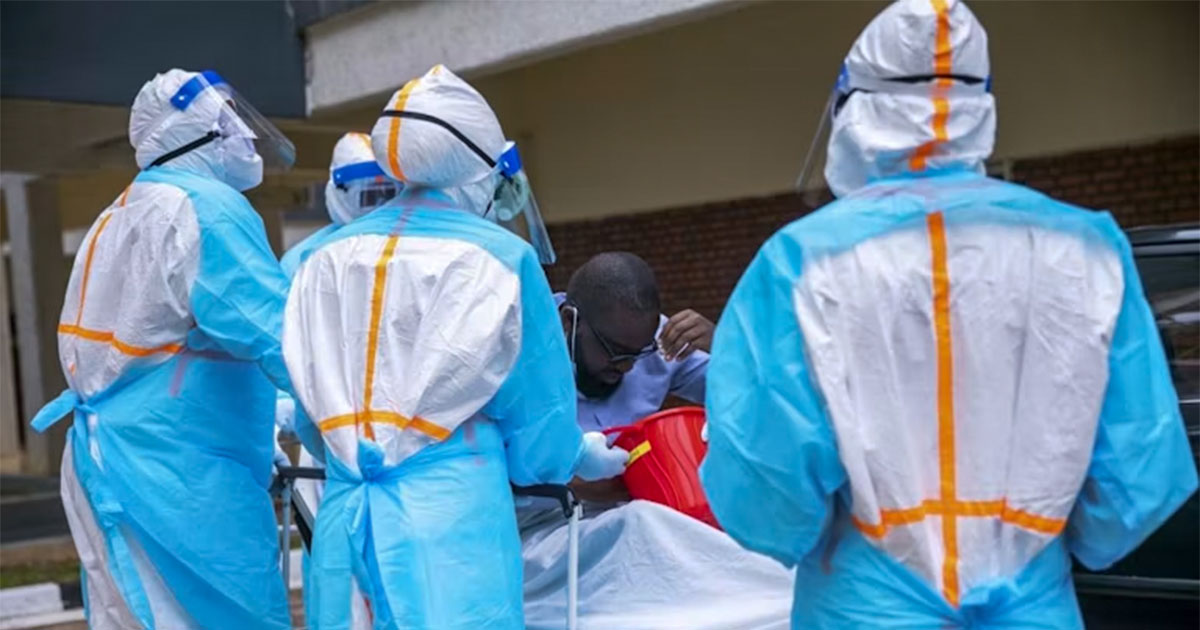

The Ebola outbreak in Congo is entering a more complex phase and raises fears of further spread
After months of monitoring the escalation of infections Ebola virus In the Democratic Republic of the Congo, the crisis is entering a more complex phase, with the spread of the virus widening and the speed of recording infections increasing, which reinforces fears that the outbreak will turn into a broader health crisis if containment efforts falter. This hinders efforts to achieve the third goal of the Sustainable Development Goals (SDGs): good health and well-being.
The concern this time is centered around the “Bundibugyo” strain of the virus, which spread in 2026 at a faster pace than some previous outbreaks. Regarding this, Jia Pei Kangbai, a researcher specializing in the epidemiology of infectious diseases, believesat Ngala University in Sierra Leone, which was involved in managing the Ebola outbreak between 2014 and 2016; The scale, speed, and geographical breadth of the spread make an early and continuous response necessary to prevent the infection from reaching a wider scale.
Control is becoming more difficult with gaps in data, a lack of diagnostic tools, treatments, and vaccines for the strain, in addition to the continuation of armed conflict, and weak trust between some local communities and health authorities.
Wider spread and faster spread
What the rate of recording infection cases reveals is the unusual speed in the spread of the Ebola virus; In the West African outbreak between 2013 and 2016, for example, it took about four months on average to reach 1,000 registered cases after the official announcement of the outbreak in Guinea and Liberia.And Sierra Leone. As for the Democratic Republic of the Congo, the same number was reached within less than two months after the outbreak was declared!

Jia Pei Kangbai’s study shows that these numbers start from the moment of the official announcement, while it is likely that the transmission of infection began some time before the outbreak was discovered; Which means that there are cases and deaths that were not recorded in official data.
This puts response teams facing an accumulation of cases that need treatment, monitoring, and contact tracing, at a time when the disease continues to move to new areas. This is what was monitored by The Earth Guards Foundation when it followed in previous coverage the escalation of Ebola virus infections to more than 5 thousand cases, and the factors that hindered containment efforts in the Congo. To learn about this, read: The Ebola virus records more than5 thousand infections in Congo.
Factors that accelerate the transmission of infection
Several factors interfere in explaining the current speed of spread, including the emergence of people with a high ability to transmit infection, which is scientifically known as “super-spreaders”, as they can transmit the virus to a larger number of people than usual cases.
Referring to the West African outbreak between 2014 and 2016, one study indicated that these cases were responsible for more than 60% of ongoing transmission. The phenomenon becomes more serious when the strain is rare or uncommon, as is the case with “Bundibugyo.” Because poor knowledge of its symptoms may delay diagnosis and seeking treatment.
Early symptoms of this strain may include fever, fatigue,Muscle pain, headache, and sore throat. These are symptoms that can be confused with other tropical diseases. This gives the disease additional time to spread.
Outbreak data show that the age group between 18 and 49 years old records the largest portion of infections, while children under 15 years old represent about a quarter of deaths, which adds challenges related to home care and delays in accessing health services.

Lack of data complicates control
Weak data represents one of the most significant challenges to containing the Ebola virus, especially when transmission continues for weeks before the outbreak is officially detected. In some health regions, less than 20% of known infections could be linked to previously identified contacts, which means…A large proportion of transmission chains move without being monitored.
The problem increases with the vast area of the Democratic Republic of the Congo and the relatively open borders, in addition to the difficulty of state institutions and health services reaching some areas affected by the armed conflict. Which weakens these institutions and prevents them from carrying out their health responsibilities, which are called for by Goal 16 (peace, justice and strong institutions).
Strengthening surveillance, early detection, and access to treatment also intersects with the third goal of the Sustainable Development Goals (SDGs), concerned with good health and well-being, especially since controlling infectious diseases depends on health systems capable of rapid detection and continuous response.

Vaccine and treatment are still a gap
Limited medical options add another challenge to the current response; According to official data, there is no registered treatment or vaccine specifically to combat or prevent Bundibugyo infection, despite previous local outbreaks of the strain being recorded in the Democratic Republic of the Congo.
Potential diagnostic tools, treatments and vaccines are being tested, while the “Ervebo vaccine” originally intended for the Zaire variant is being used in a trial and evidence gathering. Researcher Jia B. Kangbai believes that the delay in developing a vaccine for Bundibugyo reflects a gap in pandemic preparedness, especially since the emergence of the strain was not an unprecedented event.
The Earth Defenders Foundation addressed early in the crisis the ability of African health care systems to contain Ebola and preventTransmission across borders. Read about this: Ebola continues to spread in Africa amid efforts to strengthen health care and contain the epidemic.
Containment requires a continuous response
Regarding methods of containment and prevention, Jia Pei Kangbai, a researcher at Ngala University, confirms that preventing the outbreak from turning into a broader crisis requires sufficient and continuous funding for several months, and this funding must ensure paying the wages of workers on the front lines, and providing laboratory supplies, protective equipment, and infection control procedures.
Priorities also include strengthening border screening, improving screening, isolation, testing and treatment systems, as well as engaging community leaders, religious institutions, youth groups and community health workers to strengthentrust.
In addition to the above, real-time examination and permanent surveillance remain among the most important tools required, especially in areas that record high rates of infection, death, and transmission.
There is another aspect related to financing or spending. Official sources indicate that the Democratic Republic of the Congo has received more than $500 million since the outbreak of the disease was announced, which highlights the importance of managing these resources responsibly, and ensuring that they reach workers on the front lines, especially after strikes were recorded among them. The regularity of their wages represents one of the essential factors for the continuation and success of the response efforts.
In the end, we find that the Ebola virus crisis in the Democratic Republic of the Congo reveals a truth that goes beyond the limits of the epidemic itself; Because the virus finds its way through the fragility of institutions and the weakness of systemsSurveillance, lack of trust, and conflicts disrupt access to health care for those who need it.
Therefore, The Earth Guards Foundation has a crystallizing opinion about the necessity of preventing the conditions that give epidemics the opportunity to spread in the first place. Emergency spending does not compensate – regardless of its value – for building viable health institutions, regularly funding workers on the front lines, and developing diagnostic tools and vaccines before rare strains become a widespread threat. Desire for a healthy, sustainable life for all.


