

Car emissions spark a legal battle between California and Washington
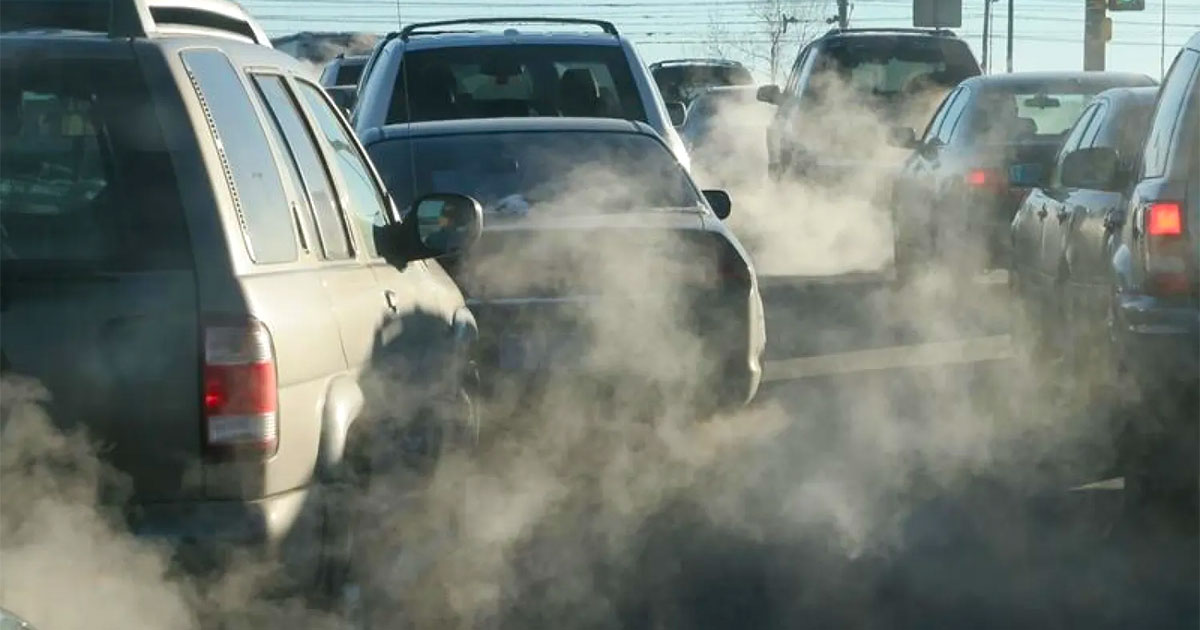

Car emissions spark a legal struggle between California and Washington
A federal judge in Washington has blocked the US Environmental Protection Agency’s attempt to send four California exemptions to Congress to pave the way for them to be repealed, in a move that reopens a fight over the state’s right to impose tougher standards on car and truck emissions.
These exemptions allow the state to apply standards that are more stringent than federal rules in some vehicle emissions files, which for years made it one of the most stringent US states in regulating vehicle emissions.
The ruling comes as the administration of President Donald Trump continues to make broader efforts to reduce California’s powers in this file, along with other policies that facilitate the sale of cars.Gasoline and conventional trucks, and the cost of purchasing some electric vehicles increases.
What is the origin of the dispute?
The dispute is rooted in a special legal status that California has under the Clean Air Act, allowing it to obtain waivers from the federal government to impose stricter standards on car and truck emissions.
These powers gave California greater ability to push the automobile market towards more stringent standards, supporting the spread of less polluting and electric vehicles.
But the Trump administration sought to reclassify these exemptions as “regulations” that could be subject to congressional review, opening the door to their repeal by a simple majority. Here the judiciary intervened and temporarily stopped this path.
In simpler terms, the judge did not overturn the emissions rulesitself, but stopped the attempt to pass California’s waivers to Congress along a path that might lead to their repeal.

The judiciary stops the EPA’s move
Judge Beryl Howell issued a preliminary injunction preventing the U.S. Environmental Protection Agency, known as EPA, from continuing to send the four exemptions to Congress for review.
The agency ruled in June that previous exemptions California received under the Clean Air Act should have gone before lawmakers so Congress could consider repealing them.
But the court found that the agency’s position contained an inconsistency in the way these exemptions were classified, and ordered EPA to take the necessary stepsTo restore the situation to what it was before June.
The ruling now gives California an opportunity to preserve an important part of its ability to regulate automobile emissions, while the legal battle over the limits of the powers of the federal government and states continues.
Where did the legal dispute occur?
The dispute centered on a law known as Congressional Review Act, a law that allows Congress to overturn certain regulations through relatively simpler procedures.
The importance of this law lies in that its use allows the Senate to vote by a simple majority, which makes canceling the decision easier than passing new legislation that usually requires broader support.
EPA believes that California’s exemptions can be addressed accordinglypath, while the state maintains that these exemptions are not new regulations, but rather powers granted to it by the Clean Air Act.
And here is the crux of the dispute: Can California’s exemptions be subjected to a path that allows Congress to easily repeal them, or remain outside the scope of this law?
For a broader understanding of the dispute over emissions regulation in the United States, read also: Washington intends to cancel the decision to regulate carbon emissions .
Gasoline and electric cars
The impact of the case extends beyond legal proceedings, as it is directly related to the future of the US auto market.
The Trump administration seeks to reduce rules that encourage cleaner and electric cars, while supporting other measures that make it easier for car companies.Sell more petrol and diesel vehicles.
For California, auto emissions standards represent a key tool to push the market toward less polluting vehicles, whether through improving the efficiency of conventional cars or increasing the penetration of electric vehicles.
Last year, Congress revoked California’s authority to ban the sale of new gasoline-powered cars after 2035, after pressure from car companies including Toyota and General Motors.
These developments reveal that the conflict over emissions has also become linked to the direction of the auto industry itself, and the balance of interests between companies, the federal government and the states.
To learn about the challenges and opportunities associated with the expansion of electric vehicles from a sustainability perspective, read also: IndustryElectric cars in the balance of sustainability.

Wider struggle over emissions
The current case is part of a larger showdown between California and the federal government over who has a stronger say in setting transportation environmental policies.
While California defends its right to adopt stricter rules, the federal administration is working to reduce this space through multiple legal and legislative paths.
This conflict adds an institutional dimension to the file of reducing car emissions, because decisions related to transportation are linked to technology, as well as to the distribution of powers between institutions and different levels of government.
This intersects with Goal 11 of the Sustainable Development Goals (SDGs), whichIt calls for making cities more sustainable and reducing the environmental impact of transport, and is linked to Goal 13 on climate action through policies to reduce emissions and support the shift towards less polluting means of transport.
What does the ruling mean?
The ruling does not end the dispute, but it does temporarily block the use of the path by which EPA had sought to bring California’s waivers before Congress for repeal.
There is also a separate legal challenge pending over previous actions that led to the elimination of some state powers related to banning gasoline cars after 2035.
These developments mean that the future of vehicle emissions in California will remain linked to a series of judicial rulings and political decisions over the coming period.
In this context, refers The Earth Guards Foundation noted that the case reflects the importance of regulatory clarity and stability in managing the shift towards less polluting means of transportation, especially when environmental protection and public health intersect with the interests of the auto industry and the legal powers of states and the federal government.


