

Climate risks threaten coffee farming: Can insurance protect supply chains?
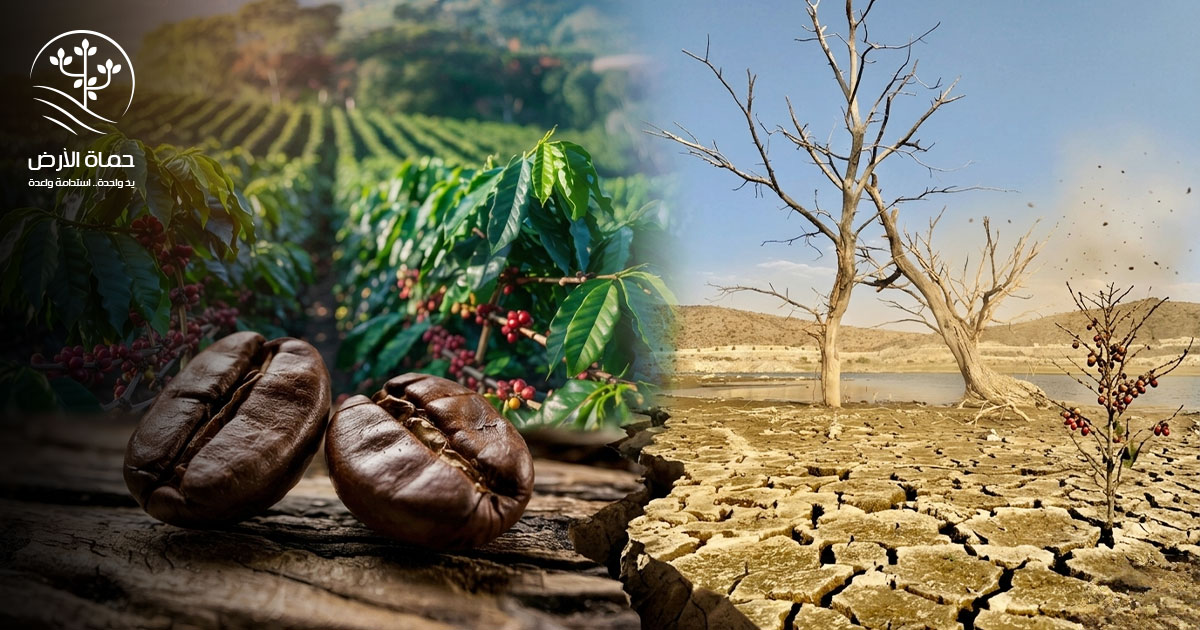

Climate risks threaten coffee farming: Can insurance succeed in protecting supply chains?
Climate risks have increased significantly in recent years, becoming one of the most prominent factors affecting global supply chains, especially in sensitive agricultural sectors. Coffee is also one of the commodities most affected by these changes, as climate disturbances are directly reflected in production and prices, which may transform a familiar daily product into a high-cost commodity.
In this context, these developments intersect withSustainable Development Goals (SDGs), especially with regard to climate action (Goal 13), responsible production and consumption (Goal 12), in addition to supporting economic growth (Goal 8). From this standpoint, this article reviews the impact of climate risks on coffee production, and its impact on supply chains, in addition to the role of climate insurance as a tool to confront these challenges.
Climate risks threaten global coffee production
Climate risks pose an increasing threat to coffee production, especially with more than 95% of crops dependent on tropical regions that are highly sensitive to climate change. Climatic phenomena, such as rainfall fluctuations and high temperatures, directly affect the quality and quantity of the crop.
The El Niño phenomenonplays a pivotal role in this context, as it causes sharp fluctuations between drought and heavy rain, which negatively affects the growth stages of coffee. Excessive rain may disrupt the flowering process, while its deficiency leads to a reduction in the size of the grains, which reflects the vulnerability of this sector and its supply chains to climate change.

Supply chains under pressure from climate fluctuations
The impact of climate risks extends across entire supply chains, as declining production in several regions at the same time leads to higher prices and increased market volatility. When several coffee-producing countries are affected at the same time, the cost of export and manufacturing increases, which ultimately affects the consumer.
On the other hand, farmers, especially small producers, bear the brunt of these changes, as their crops are exposed to damage without them benefiting from the rise in prices, which weakens their ability to recover and continue. This reflects an imbalance in the distribution of risks within supply chains, which threatens their long-term sustainability.
Climate insurance is a tool to address risks and strengthen supply chains
In the face of these challenges, climate insurance stands out as one of the solutions that aims to manage climate risks more efficiently in line with the comprehensive Sustainable Development Goals (SDGs), especially (Goal 13): Climate Action, as this type of insurance is based on providing compensation to farmers when specific climate events occur, which contributes to reducing losses and accelerating recovery.
Climate insurance also contributes to enhancing the stability of supply chains, by providing a financial safety net that protects producers, which reflects positively on the continuity of production. Thus, insurance transforms from being an additional cost to a strategic risk management tool that supports the sustainability of the agricultural sector.

Challenges of implementing climate insurance in light of escalating risks
Despite its importance, climate insurance faces a number of challenges, especially in light of the escalation of climate risks. The most prominent of these challenges is the high costs of insurance, in addition to limited coverage in some areas, especially in developing countries.
It is also estimated that climate-related insurance premiums may rise significantly in the coming years, which may make these services less available to some groups. This reflects the need to develop innovative financing models and international partnerships that ensure the sustainability of these solutions.
International partnerships and their role in developing climate insurance solutions
Partnerships between governments, financial institutions and the private sector play a key role in developing climate insurance solutions, as this cooperation contributes to expanding coverage and improving the efficiency of services. It also supports the exchange of experiences and provides the necessary funding to develop this sector. This trend reflects the importance of collective action in confronting climate risks, especially in sectors that require large investments and continuous coordination between various parties.
Applied models to support coffee farmers
Practical experiences indicate the success of some climate insurance models in supporting coffee farmers, as solutions have been developed based on climate data to provide quick and effective compensation. These models have contributed to supporting thousands of farmers in facing climate shocks.
Some initiatives also rely on partnerships between the public and private sectors to cover insurance costs, which reduces the burden on farmers and enhances their ability to adopt more sustainable agricultural practices.
In conclusion, the seriousness of climate risks lies in the decline in coffee yields, in addition to revealing the fragility of a global production model built on the assumption of stable weather, cheap resources, and continued uninterrupted supplies. When a drought in one producing country, or unseasonal rains in another, causes global price turmoil, it becomes clear that supply chains face a structural test that affects their ability to withstand and continue.

Hence, climate insurance gains its importance as a tool to redistribute risks more fairly, and not just a mechanism to compensate for losses. Its true success depends on its ability to protect small farmers, ensure continuity of production, and link financing to sustainability and flexibility. Between the daily cup of coffee and the rapid climate fluctuations, a basic fact is confirmed that the future of this commodity will not be determined by markets alone, but will be determined by the world’s ability to build agricultural systems that are more equitable and prepared for the future.
In this context,The Earth Guards Foundation stresses the necessity of developing innovative financial instruments, such as climate insurance, as it represents an essential step towards building more flexible and sustainable supply chains, which supports the achievement of Sustainable Development Goals (SDGs) and enhances the ability of economies to face future changes.


