

Electric cars push Europe towards developing smarter and more sustainable electricity grids
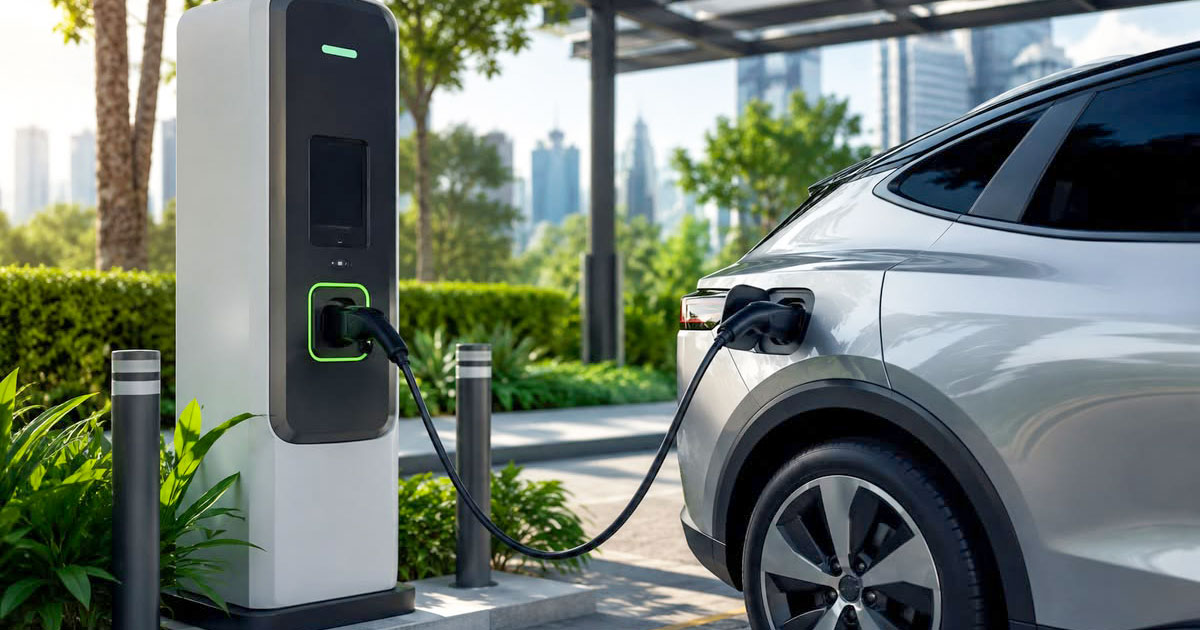

Electric cars push Europe towards developing smarter, more sustainable electricity grids
Europe is witnessing a rapid expansion in the spread of electric cars as part of plans to shift towards sustainable transportation and reduce carbon emissions, but this shift poses increasing challenges to electricity distribution networks and energy infrastructure. In this context, the European “AHEAD” project stands out as one of the initiatives that seeks to employ artificial intelligence to improve the integration of electric vehicle charging stations into electricity networks in a more efficient and sustainable manner.
Studies associated with the project indicate that the continuous increase in the number of electric cars creates new patterns of energy consumption, characterized by high electrical loads and the concentration of charging operations at specific times and areas, which mayIt leads to pressure on electrical cables, transformers, and local distribution networks.
The project also seeks to develop tools based on artificial intelligence to analyze user data, mobility patterns, and charging behavior, with the aim of supporting more efficient planning of charging stations and reducing pressure on electrical networks.
Electric cars and distribution network challenges
The expansion of the use of electric cars has led to the emergence of new challenges for electricity distribution networks, especially with different charging patterns and high demand for energy during specific periods of the day. Studies show that home charging still represents the most widespread pattern, especially during the evening and night hours, while fast charging stations and public charging stations witness higher levels of variability and instability in electrical loads.
As it may leadThe concentration of charging operations within certain areas increases the pressure on transformers and electrical cables, which raises the possibility of bottlenecks within local networks or fluctuations in electrical voltage levels. This reflects the need to develop electricity networks that are more flexible and capable of dealing with new consumption patterns associated with electrical transportation.

Artificial Intelligence and Smart Charging Infrastructure
The “AHEAD” project relies heavily on artificial intelligence techniques to improve infrastructure planning for charging electric cars within cities, industrial areas, and various transportation networks. Smart models help determine the most efficient locations for charging stations by analyzing traffic data, user behavior, and constraints associated with electricity networks, reducing the need for expansions.Expensive in infrastructure.
The project also develops smart maps and predictive models that help electricity companies, municipalities, and investors evaluate different expansion scenarios and make more accurate decisions regarding the distribution of charging stations. This also includes studying the shipping needs of heavy vehicles and electric marine transportation, including developing innovative solutions for shipping ships and boats within European ports, which reflects the expected future expansion in various areas of electric transportation.

Smart charging and stability of electricity networks
Smart charging represents one of the most prominent solutions proposed to support the stability of electricity networks with the increasing spread of electric cars, as it allows charging operations to be organized according to the state of the network, electricity prices, and peak times. These systems helpReducing pressure on electrical networks by postponing or distributing charging operations during less crowded periods, which improves the efficiency of using the current infrastructure.
The project also focuses on bi-directional charging technologies, which allow electric cars to pump electricity back into the grid when needed, which provides additional flexibility to power systems and helps support the stability of electrical networks. These technologies are gaining increasing importance as reliance on renewable energy sources expands, which are characterized by fluctuations in production and require more flexible solutions for managing electrical loads.

Electric cars and future energy technologies
The development of electric vehicle infrastructure extends from traditional charging stations to more advanced technologies including chargingWireless, on-the-go charging, and super-fast charging systems.
The “AHEAD” project also studies the impact of these technologies on electricity networks and digital infrastructure, especially with the increasing reliance on communication and data exchange systems between cars, charging stations, and network operators. In this context, the importance of cybersecurity is highlighted as an essential element in protecting smart charging systems from electronic attacks and ensuring the stability of the energy infrastructure.
This reflects the accelerating shift towards smarter and more interconnected electricity networks, which increasingly rely on data and digital systems in energy and transportation management. As this transition accelerates, it is increasingly important to integrate electric cars into a more sustainable energy system that is able to support Europe’s goals of reducing emissions and enhancing resource efficiency.
Electric carsEnergy sustainability in Europe
Current developments reflect the increasing role that electric cars play in supporting the green transition and reducing carbon emissions within Europe, especially with the expansion of plans to rely on clean energy and sustainable transportation. Electric cars have also become an essential part of strategies to reduce emissions and improve energy efficiency within European cities, in light of the trend towards building transportation systems that are less dependent on traditional fuels and more compatible with environmental sustainability goals.
At the same time, the importance of investing in smart electricity networks and modern infrastructure is highlighted to ensure that energy systems are able to accommodate the future expansion of electric transport in a stable and safe manner, especially with the expected increase in demand for electricity in the coming years. It also constitutes the integration of artificial intelligence and load management technologiesA key element in enhancing the efficiency of electrical networks and reducing the pressures associated with large-scale charging operations.
This transformation is directly linked to the Sustainable Development Goals (SDGs), especially Goal (7) related to clean energy, and Goal (11) related to sustainable cities, in addition to Goal (13) related to climate action, as electric cars contribute to supporting more sustainable transportation systems and reducing the environmental impacts associated with the energy and transportation sector.
In this context,The Earth Guards Foundation confirms that the success of the transition towards electric cars in Europe is linked to the ability of countries to develop a smart and sustainable infrastructure that relies on efficient energy management and the integration of electricity networks with modern digital technologies. The importance of investing in flexible networks and smart charging technologies is also highlighted as essential elementsTo ensure energy stability, enhance environmental sustainability, and support a clean transportation future in the long term.


