

Germany is facing carbon emissions pressures… and fears of failing to meet the 2030 climate goals
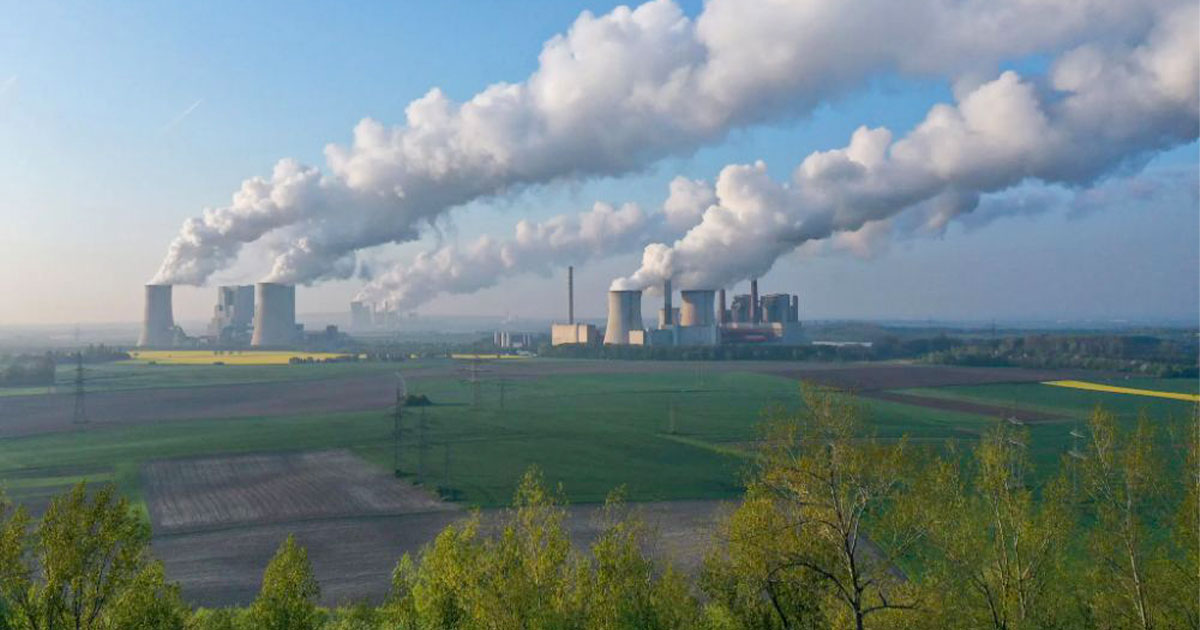

Germany faces carbon emissions pressures…and fears of failing to meet 2030 climate goals
Europe faces increasing challenges in reducingcarbon emissionsand achieving climate goals in the coming years, in light of global economic pressures, rising energy costs, and geopolitical tensions related to oil and gas markets. In this context, Germany has emerged as one of the most prominent European countries facing growing difficulties in achieving climate goals by 2030, after the Council of Experts on Climate Change in Germany – an independent German body concerned with climate – warned of the possibility of expected emissions levels exceeding official government estimates.
Germany, the largest economy in Europe, aims to reduce…Greenhouse gas emissions by 65% compared to 1990 levels by 2030, in addition to reaching full carbon neutrality by 2045. Although emissions reduction rates have so far reached about 48%, global economic pressures, rising energy prices, and concerns related to oil and gas flows as a result of the war in Iran make it more difficult to achieve these goals.
Germany’s climate expert council also indicated that emissions could exceed target levels by up to an additional 100 million tons of carbon dioxide, compared to much lower government estimates. This file is linked to the Sustainable Development Goals (SDGs), especially Goal 13 on climate action, and Goal 7 on clean energy, as current developments reflect the magnitude of the challenges associated with achieving a balance between climate protection and securing the needs of the economy and energy.
EmissionsCarbon and economic pressures
Pressure is increasing on plans to reduce carbon emissions in light of geopolitical tensions and rising global energy costs, which has a direct impact on European economies that are seeking to accelerate the transition towards clean energy.
German data indicate that emissions remained almost stable during the year 2025, after pollution resulting from the industrial and energy sectors decreased, in contrast to the rise in emissions related to the transportation and construction sectors.
The war in Iran also raises additional concerns about disruptions in oil and gas supplies and rising prices, which increases pressure on European governments as they implement climate change plans. This indicates the strong interconnection between energy markets and climate policies, as geopolitical crises have begun to directly affect emissions reduction pathways.Carbonaceous.
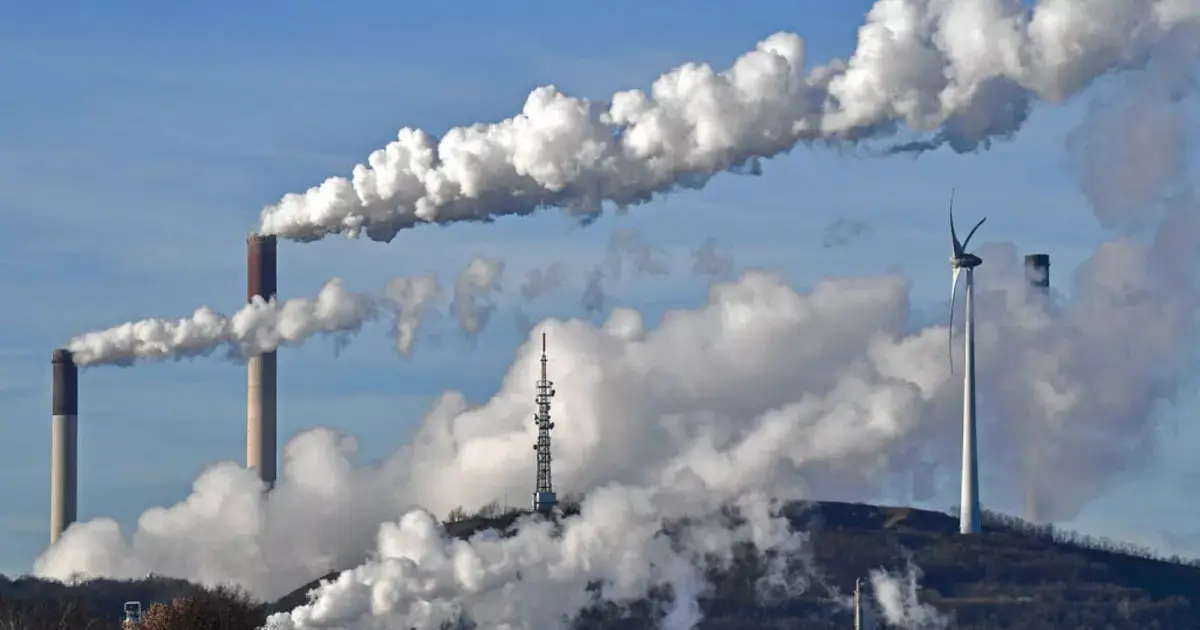
Challenges of green transition in Germany
The German government has developed a climate plan backed by about 8 billion euros to finance a number of measures related to clean energy, including expanding wind energy and increasing sales of electric cars.
But the Expert Council for Climate Affairs in Germany believes that these measures may not be sufficient to achieve the goals of reducing carbon emissions, especially with the need to update assumptions related to the energy, buildings, transportation and land use sectors.
Environmental policies in Germany also witnessed amendments that sparked widespread debate, after the government repealed a previous law that required the inclusion of renewable energy elements in new heating systems, and replaced it with a more flexible law for modernizing buildings.
This reflects the challenges facing major economies in implementing the green transition, especially with the high economic and social costs associated with implementing some climate policies on families and industrial sectors.
Climate policies and the future of European sustainability
Current developments reveal that the issue of carbon emissions will remain one of the most prominent challenges facing Europe in the coming years, especially with the escalation of global economic pressures and the need to maintain the competitiveness of the European economy in light of the transformations related to energy, industry, and supply chains.
It also highlights the importance of developing more balanced climate policies that combine reducing emissions and supporting economic sectors during the transformation phase, in addition to enhancing investment in renewable energy, sustainable infrastructure, and modernizing energy and transportation networks.and buildings in line with long-term climate goals.
Current challenges indicate that achieving carbon neutrality goals is linked to the expansion of clean energy, in addition to addressing the economic and social impacts associated with high energy costs and the modernization of industrial systems, especially in major industrial countries that rely extensively on the heavy production and transportation sectors.
The controversy surrounding some environmental laws in Germany also reflects the magnitude of the challenges facing European governments in achieving a balance between accelerating the green transition and alleviating pressures on families and the industrial sector, which is pushing many countries to re-evaluate some climate policies and their implementation mechanisms.

In conclusion, this highlights the importance of Germany establishing an economic model capable of adapting to changesclimate and economic conditions at the same time, which supports energy security and economic stability and reduces the risks of fluctuations associated with global fuel and energy markets.
Hence,The Earth Guards Foundation believes that confronting the challenges of carbon emissions in Germany and other countries of the world requires strengthening international cooperation and continued investment in clean energy solutions and sustainable technology, in addition to supporting just transition policies that take into account economic and social dimensions, in a way that contributes to achieving sustainable development and reducing climate risks in the long term.


