

Storm Janmi hits Japan… and climate adaptation faces a new challenge
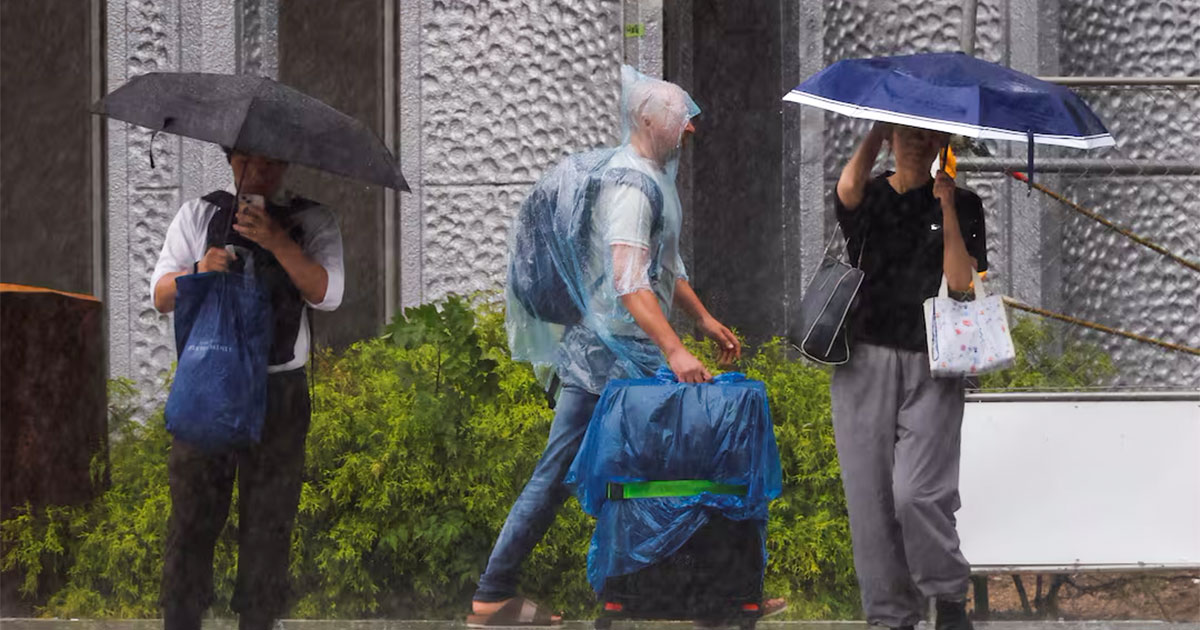

Ganmi storm hits Japan…and climate adaptation faces a new challenge
Storms and extreme weather events increasingly highlight the importance of climate adaptation in various countries of the world, especially with the increasing impacts ofclimate changeson societies, infrastructure, and economic activities. In this context, Japan witnessed the widespread effects of Tropical Storm “Janmi”, which caused major disruptions in services and transportation and power outages to tens of thousands of homes.
The storm led to heavy rains and strong winds in a number of Japanese regions, prompting the authorities to issue warnings and guidance to the population and take precautionary measures to reduce the risks associated with floods, landslides and storms.
These developments come at a time when international efforts are increasing to enhance the ability of cities and communities to confront natural disasters and extreme climate events, through developing early warning systems and improving infrastructure readiness and emergency response plans.
This file is linked to the Sustainable Development Goals (SDGs), especially the eleventh goal on sustainable cities and communities, and the thirteenth goal related to climate action, in addition to the ninth goal on industry and innovation, as climate adaptation represents one of the basic axes for enhancing the ability of societies to confront increasing climate risks.
Ganmi Storm and its effects on Japan
Tropical Storm “Janmi” struck large areas of Japan, accompanied by strong winds and heavy rain, resulting in scattered damage in a number of prefectures. According to the Japanese authorities, the storm caused a power outage in about 60,000 homes, and the competent authorities also received reports of local floods, falling trees and debris, and landslides in a number of affected areas.
The storm also resulted in at least 15 people sustaining minor injuries, while the authorities called on residents to take the necessary precautions and respond early to emergency warnings in order to preserve their safety. The competent authorities issued evacuation orders and warnings to hundreds of thousands of residents in eight governorates, while continuing to monitor weather developments and assess the extent of the damage resulting from the storm.

Widespread disruptions in transportation and services
The effects of the storm included multiple sectors in Japan, as it extended to the transportation and services sector in various areas. Airlines announced the cancellation of about 900 domestic and international flights, affecting nearly 90,000 passengers, and some high-speed trains and railways witnessed delays and temporary suspension of service in some areas.
Some industrial activities were also affected as a result of the weather conditions, as industrial companies temporarily suspended their operations before later announcing plans to resume work after the weather conditions improved. These impacts reflect the extent of the interrelation between extreme climate events and economic and service activities, and the extent of the need to develop effective response plans that reduce potential losses.
Extreme weather events and infrastructure challenges
Storms, heavy rains, and floods pose increasing challenges to modern infrastructure, including electricity, transportation, water, and communications networks. The power outage that occurred in some Japanese areas during the storm highlights the importance of developing networks more capable of withstanding harsh weather conditions, in addition to strengthening maintenance systems and rapid response to faults.
Managing climate risks also requires long-term planning that takes into account potential changes in weather patterns and the intensity of weather events over the coming decades. Many countries are seeking to integrate climate adaptation considerations into infrastructure development plans to ensure the continuity of basic services and reduce losses resulting from natural disasters.
Climate adaptation and disaster risk reduction
Events such as Storm Janmi highlight the importance of climate adaptation as one of the key tools for dealing with risks associated with extreme weather events. Climate adaptation includes a set of measures aimed at reducing the effects of natural disasters on the population, infrastructure and economy, by strengthening early warning systems, improving emergency management, and raising the preparedness of local institutions and communities.
Evacuation plans, rapid response, and community awareness also contribute to reducing human and material losses in the midst of disasters, especially in areas most vulnerable to climate risks. Experts believe that investing in climate adaptation has become increasingly necessary in light of current climate changes, which helps protect societies and improve their ability to confront extreme weather conditions.

In conclusion, recent developments in Japan reflect the importance of promoting climate adaptation as an essential part of sustainable development and risk management strategies. There is also a need to continue investing in resilient infrastructure, early warning systems, and urban planning capable of confronting the increasing impacts of extreme weather events.
Based on the above,The Earth Guards Foundationconfirms that climate adaptation represents one of the basic pillars for confronting increasing environmental challenges. It also highlights the importance of developing infrastructure and enhancing community preparedness and emergency response systems, which contributes to building safer communities and the ability to adapt to future climate changes.


