

A meeting of the Permanent Committee of the Wetlands Convention discusses action plans and environmental cooperation
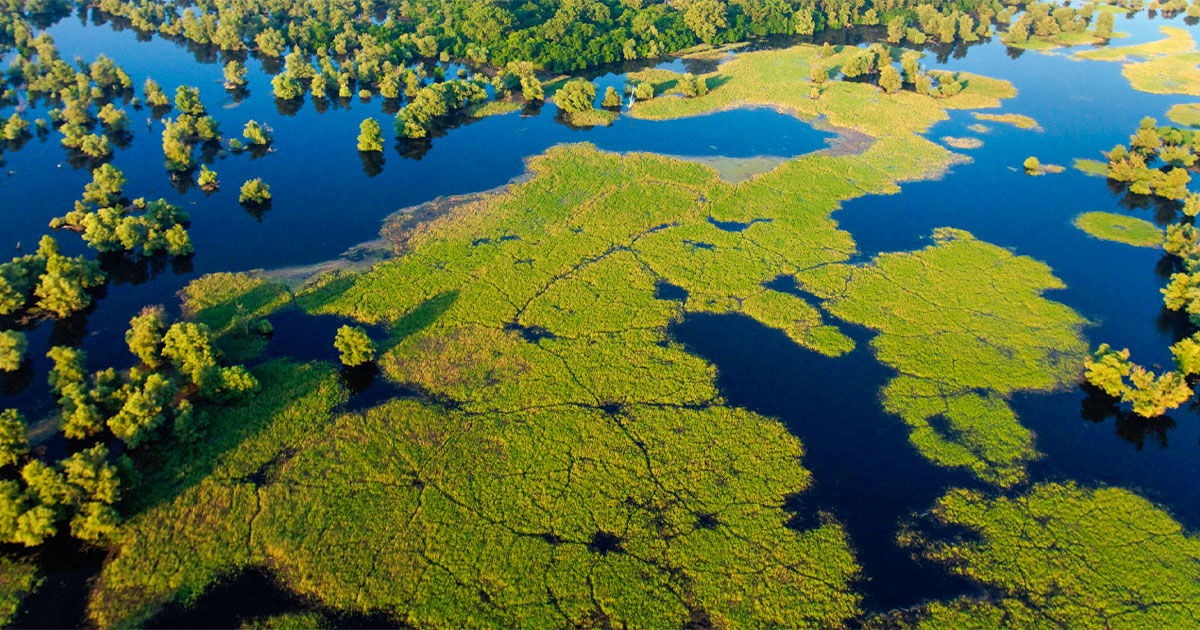

Meeting of the Standing Committee of the Wetlands Convention discusses action plans and environmental cooperation
During the period from 4 to 8 May 2026, the Swiss city of Gland hosted the work of the 67th meeting of the Permanent Committee of theWetlands Convention, with the participation of representatives of international bodies and technical committees concerned with the environment and sustainable development, to discuss a number of files related to protecting ecosystems and enhancing international environmental cooperation in the coming years.
The meeting witnessed a discussion of reviewing the implementation of the decisions of the Standing Committee, in addition to adopting the action plan for the period between 2026 and 2028, in addition to discussing ways to enhance the presence of the Convention and develop cooperation with multilateral environmental agreements and international institutions concerned with the environment and sustainability.
The meeting also addressed a number of scientific and technical issues, including reports of the Scientific and Technical Committee, and developments in the wetland inventory, in addition to discussing issues related to protecting ecosystems and biodiversity and supporting sustainable management of natural resources.
This file is related to the Sustainable Development Goals (SDGs), especially Goal 15 related to life on land, and Goal 13 related to climate action, in addition to Goal 6 related to clean water, as wetlands represent one of the basic elements in maintaining environmental balance and biodiversity globally.
Action plans and strengthening international environmental cooperation
The meeting discussed a group of files related to developing work mechanisms within the Wetlands Convention during the coming years, including reviewing the implementation of previous decisions and developing a new work plan for the period 2026-2028.
Participants also discussed ways to enhance cooperation between the Convention and other international environmental agreements, thus helping to coordinate efforts related to protecting natural resources and confronting global environmental challenges in a more integrated manner.
The discussions stressed the importance of enhancing funding allocated to protecting wetlands, in light of shocking warnings that were highlighted by international environmental organizations that revealed that for every dollar invested in protecting nature, $30 is spent on activities that lead to its destruction.
This financing gap is evident in unfair development practices such as the expansion of lithium mining in the Andes Mountains at the expense of water security. Hence, the participants stressed the importance of developing economic and financing policies to reduce financial support directed to activities that have a negative environmental impact.
In this context, many international environmental institutions are currently moving to strengthen joint action between various environmental agreements, especially in light of the increasing pressures associated with climate change, loss of biodiversity, and degradation of ecosystems.

Scientific issues and ecosystem protection
The meeting addressed a number of scientific issues related to the protection of wetlands and ecosystems, including a review of the technical and scientific reports of the Convention. Participants also discussed developments in wetland inventories, which represent an essential tool in supporting plans for protection and sustainable management of environmental resources.
The importance of these discussions is highlighted in light of the role that wetlands play in preserving biodiversity, regulating water resources, and reducing the effects of climate change, in addition to supporting ecosystems and many economic activities related to natural resources. This reflects the growing international interest in strengthening environmental decisions based on scientific data and specialized technical studies.
Participants also discussed the importance of developing more integrated systems for monitoring wetlands and collecting environmental data, in addition to strengthening monitoring and evaluation indicators for the Fifth Strategic Plan (2025-2034) of the Convention, which will help improve the measurement of progress achieved in protecting ecosystems at the national and international levels.
Environmental awareness and capacity building
The meeting also included a discussion of files related to environmental awareness, capacity building, education and community participation, in addition to a review of the report of the youth working group within the agreement.
Participants also discussed developing communication mechanisms and raising awareness of the importance of wetlands and their environmental and economic role, especially with the increasing need to enhance the participation of local communities and youth in issues of environmental sustainability.
The discussions also pointed to the importance of supporting environmental education and training programs and building technical and institutional capacities, which helps improve the management of natural resources and enhance the implementation of environmental plans at the local and international levels.

Wetlands and Environmental Sustainability
Current developments reflect growing international interest in protecting wetlands as an essential element in maintaining environmental balance and biodiversity and supporting global environmental sustainability efforts. These ecosystems also play an important role in regulating water resources, reducing the effects of floods, and supporting many living organisms and economic activities related to agriculture, fishing, and natural resources.
The importance of developing more integrated strategies to protect ecosystems and promote sustainable management of natural resources is also highlighted, especially with escalating pressures associated with climate change, urbanization and loss of biodiversity. International environmental reports indicate that many wetlands around the world face increasing challenges as a result of pollution, land use change, and water depletion, which threatens their ability to continue performing their vital environmental functions.
In recent years, many countries and international institutions have tended to support more sustainable solutions that include improving water management, restoring degraded ecosystems, and enhancing environmental planning based on scientific data, in addition to expanding awareness programs and community participation in protecting natural resources.
In this context,The Earth Guards Foundation confirms that protecting wetlands represents an essential part of environmental sustainability, given its role in supporting biodiversity, regulating water resources, and reducing the effects of climate change. It also highlights the importance of strengthening international cooperation and developing sustainable environmental policies in a way that contributes to protecting ecosystems and achieving sustainable development in the long term.


