

Sustainable Mining: Can Africa Turn Its Wealth into Long-Term Gains?
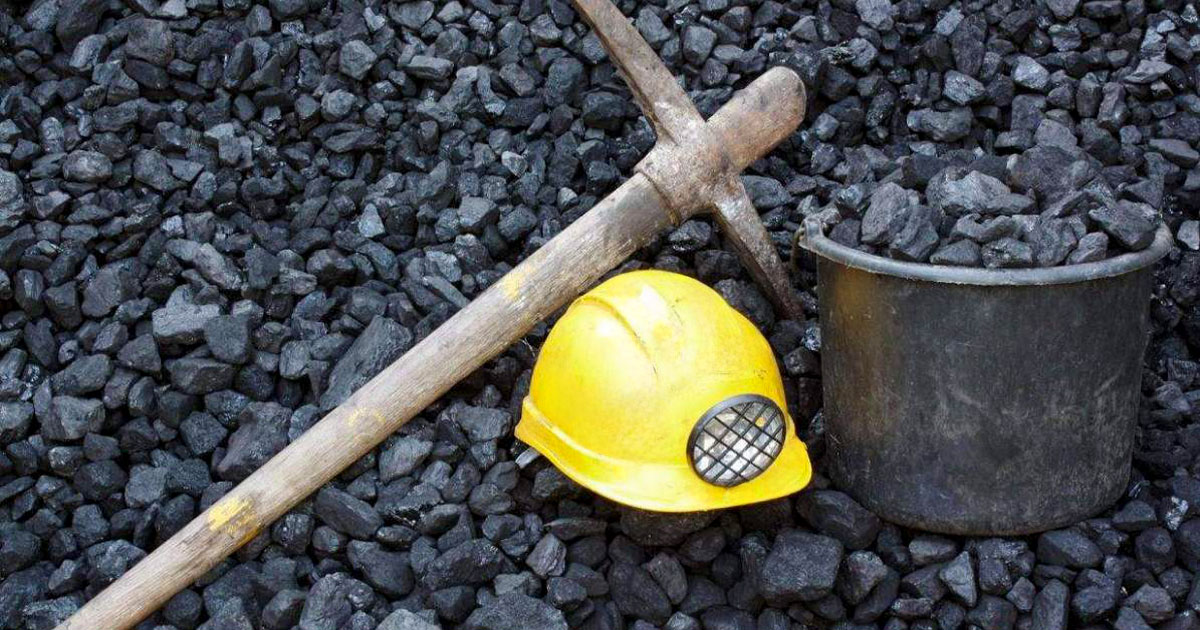

Sustainable mining.. Will Africa succeed in converting its wealth into sustainable gains?
The world’s eyes are increasingly turning to Africa as the global shift towards clean energy and low-emission technology accelerates, as the continent has huge reserves of strategic minerals that have become an essential component in the manufacture of batteries, electric cars and renewable energy projects. As international competition for these resources increases, a major question arises about the continent’s ability to achieve sustainable mining and transform its mineral wealth into sustainable economic and development gains that go beyond the export of raw materials.
It is estimated that Africa possesses more than half of the world’s cobalt reserves, and also contains about 80% of platinum group metals, along with large reserves of lithium, manganese, graphite and rare earth elements. Despite this huge potential, the continent still obtains a limited portion of the economic value achieved by global industries dependent on these minerals.
This file comes at a time of increasing international interest in building more sustainable supply chains for critical minerals needed for the green transformation, amid African calls to enhance local manufacturing and achieve greater added value from natural resources.
This file is linked to the Sustainable Development Goals (SDGs), especially the eighth goal on economic growth and decent work, and the ninth goal on industry, innovation and infrastructure, in addition to the twelfth goal related to responsible production and consumption, as sustainable mining represents one of the main axes for achieving long-term economic development.term within the continent.
Huge mineral wealth and limited economic return
Africa has one of the largest mineral bases in the world, giving it an advanced strategic position in light of the global shift towards a green economy. The Democratic Republic of the Congo alone, for example, produces more than 70% of the world’s cobalt, while the majority of platinum reserves are concentrated in South Africa.
Despite these huge resources, a large portion of the minerals leave the continent in raw or semi-raw form to be manufactured and transformed into high-value products in other regions of the world. As a result, external economies benefit from the bulk of the value added associated with these industries, while economic gains within Africa remain limited compared to the amount of available resources.
This gap reflects the challenge facing many countries rich in natural resources, as possession of mineral wealth does not necessarily lead to achieving large-scale industrial or economic development unless these resources are linked to integrated production and manufacturing chains.
The importance of this file also increases with the rapid growth in global demand for minerals used in batteries and clean energy, which gives Africa a historic opportunity to achieve sustainable mining to reshape its role within the global economy. Which in turn achieves Goal (8), which calls for providing decent work and achieving economic growth, in addition to Goal (9), which is concerned with supporting industry, innovation, and infrastructure.

From mineral extraction to local manufacturing
Specialists believe that the real gains from the sectorMining is achieved through extracting resources, developing associated industries, and building integrated value chains within the continent.
These chains include processing, refining, manufacturing and production of industrial components, batteries and other products associated with the green transition. This trend contributes to increasing the added value locally, creating new job opportunities, and enhancing the transfer of technology and technical expertise.
It also highlights the importance of developing industrial zones and infrastructure supporting the mining sector, allowing the transformation of natural resources into an industrial base capable of supporting long-term economic growth.
Many African countries are seeking to benefit from the growing global demand for strategic minerals by enhancing local manufacturing and attracting industrial investments, instead of being limited to exporting raw materials only.
What is missing in Africa?
Despite the existence of many continental strategies and initiatives related to the mining sector, experts believe that the main challenge lies in the absence of systems that link these initiatives together and turn them into practical results.
The continent already has strategic frameworks, specialized institutions, and regional economic agreements, but many countries still individually negotiate mineral contracts and related investments.
The continent also faces challenges related to unifying geological data, technical and environmental standards, and evaluation and pricing mechanisms, which limits its ability to negotiate collectively and achieve the best returns from its natural resources.
On the other hand, the major economic powers are dealing with the mineral file within integrated strategies that combineBetween finance, industry, trade and diplomacy, which enhances its ability to achieve greater gains within global markets.
Capital, Capacities and Markets
Participants in the new continental initiatives for critical minerals believe that the success of sustainable mining in Africa is linked to the continent’s ability to build an integrated system that combines finance, human resources and markets capable of supporting long-term industrial development.

Finance…transforming wealth into productive investments
At the financing level, Africa has significant financial resources that can be deployed to support local manufacturing and value chains linked to the mining sector, including pension fund assets exceeding hundreds of billions of dollars. However, a limited portion of these resources is currently directed to:Developing mining industries or processing and manufacturing projects related to strategic minerals.
Experts confirm that the real challenge lies in building financing mechanisms capable of attracting long-term investments and directing them towards productive projects. It also highlights the importance of developing financing tools that help support intermediate industries and value-added projects, ensuring that African economies benefit from the growing global demand for critical minerals.
Human capabilities…the basis of industrial sovereignty
As for the capabilities level, the importance of investing in building human competencies is highlighted as one of the most important elements of success in the modern mining sector. Global competition depends on possessing expertise capable of managing, developing, and transforming it into sustainable economic value.
These capabilities includeEngineers, geologists, reserve assessment experts, economists, environmental and social governance specialists, as well as experts in the fields of data, technology and supply chains. It also highlights the importance of developing training and education programs and transferring knowledge between African countries to build a new generation of competencies capable of leading the future of the mining industry and achieving sustainable mining on the continent.
Markets and data…the power of negotiation and decision-making
On the market side, there is an increasing need to develop unified databases and specialized information systems that help African countries improve their investment and negotiation decisions and enhance their ability to manage their resources more effectively in a way that supports the goals of sustainable mining.
Specialists believe that having accurate data about mineral reserves and value chainsGlobal markets give countries greater ability to negotiate with international investors and companies. It also helps improve economic planning and prioritize investment and manufacturing.
It also highlights the importance of unifying some technical, environmental and commercial standards among African countries, in a way that supports regional integration and enhances the continent’s ability to negotiate collectively within global markets, instead of dealing with the mineral file separately from one country to another.
In conclusion, current developments reflect the importance of sustainable mining as a development tool that goes beyond the concept of extracting natural resources, to include building industries, enhancing added value, and developing local economic capabilities. It also highlights the importance of adopting more integrated policies that balance the economic benefit from mineral resources and the protection of the environment and local communities, ensuring the sustainability of investments.And achieve long-term benefits.
Accordingly, The Earth Guards Foundation confirms that sustainable mining represents an important opportunity to support economic development in Africa if it is linked to local industrialization, technology transfer, and strengthening environmental and social governance. It also highlights the importance of employing mineral resources to build more diversified and sustainable economies, which contributes to achieving sustainable development and raising the quality of life for current and future generations.


